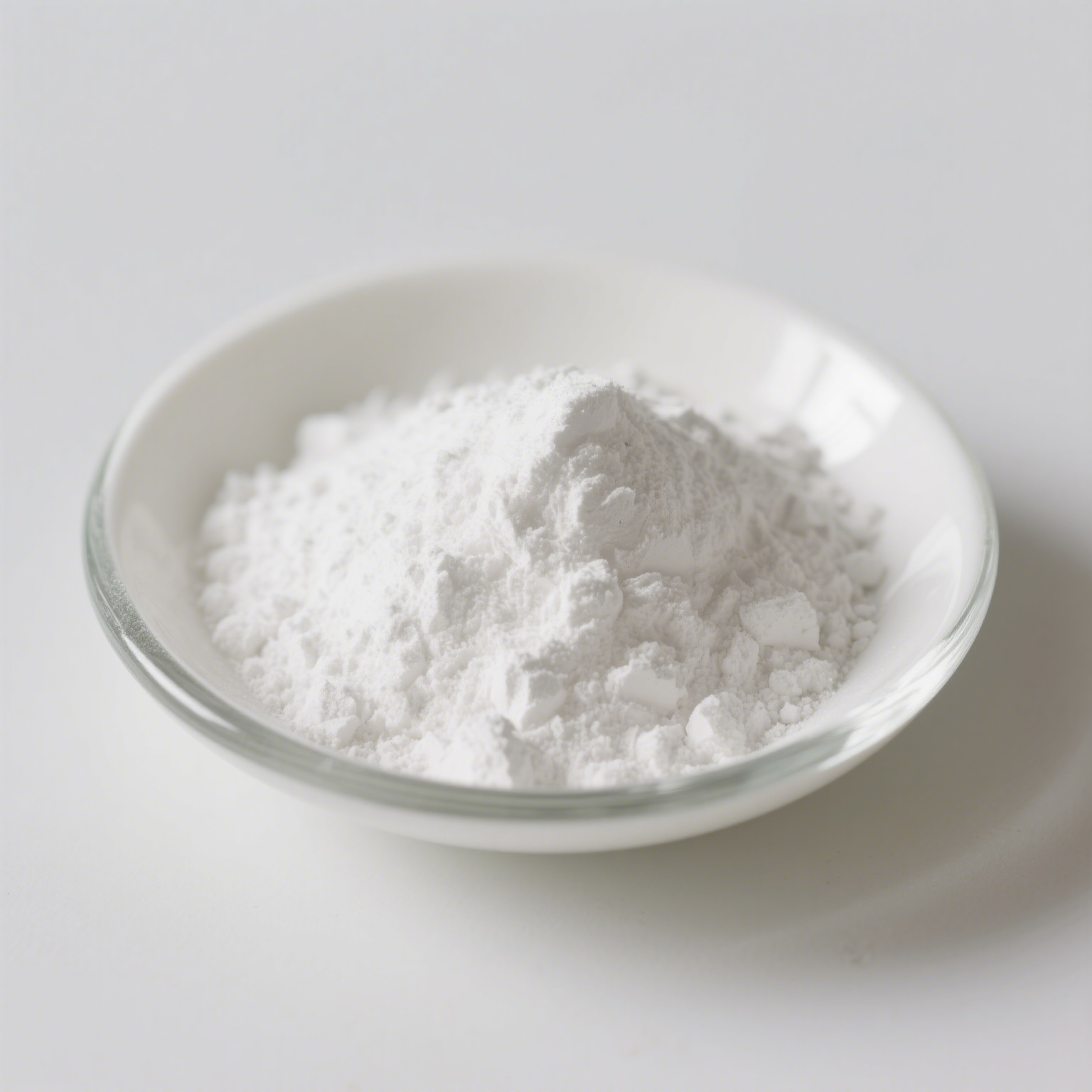
Formulating advanced resin systems requires balancing mechanical reinforcement with manufacturing processability. Selecting an arbitrary filler specification often leads to immediate formulation failures on the production floor. You might face unmanageable viscosity spikes that break mixing equipment, severe particle settling in storage drums, or compromised structural integrity in the cured matrix. Precision during the formulation stage is non-negotiable. Evaluating silica filler particle size, geometry, and distribution serves as the primary lever for controlling rheology. This evaluation allows you to maximize loading levels and achieve target mechanical properties in advanced polymer networks. Understanding these variables ensures your formulation performs reliably under real-world stress. It prevents costly failures in downstream manufacturing processes, keeping production lines moving and reducing material waste.
Rheological Trade-offs: Smaller silica particles exponentially increase surface area and viscosity, requiring precise dispersion techniques, while larger particles maintain a lower yield point and allow for higher loading levels but risk settlement.
Mechanical Optimization: Micro-scale particles (e.g., 20–25 μm) significantly enhance elastic modulus and fracture toughness, whereas nano-scale particles are critical for minimizing surface roughness.
Formulation Stability: Utilizing adjustable particle size silica powder blends (bimodal or trimodal distributions) provides the optimal balance between high filler loading and workable yield points.
Surface Chemistry: Integrating surface modified silica filler is often mandatory to mitigate the agglomeration risks inherent in ultra-fine particle sizes and to improve interfacial bonding with the polymer matrix.
The Role of Silica Filler in Resin Formulation: Defining Success Criteria
Problem Framing
Industrial resin systems demand strict control over physical properties to function in harsh environments. Formulators rely on inorganic fillers to manage thermal expansion, reduce curing shrinkage, and provide mechanical reinforcement. Without proper filler integration, neat resins lack the dimensional stability required for demanding applications. High-performance composites, electronic encapsulants, and structural adhesives require specific thermal and mechanical profiles. You cannot achieve these with neat polymers alone. The engineering challenge lies in introducing enough solid material to hit performance metrics without rendering the liquid resin impossible to process through standard dispensing equipment.
Different resin chemistries react uniquely to filler loading. Bisphenol-A epoxies, cycloaliphatic resins, and polyurethane systems all exhibit different baseline viscosities and wetting characteristics. When you introduce a high volume of dry powder into these liquids, you fundamentally alter their flow dynamics. The goal is to create a homogenous suspension that remains stable during storage, flows predictably under shear stress during application, and locks into a rigid, reinforced matrix upon curing.
The Particle Size Variable
The physical dimensions of the filler directly dictate the physical limits of the manufacturing process. If the particles are too small, the resin becomes too thick to pump, dispense, or mold. The high surface area absorbs the liquid components. This turns a flowable resin into a stiff, unworkable paste. Conversely, if the particles are too large, they settle out of suspension before the resin cures. This creates a gradient of mechanical properties, leading to warping, internal stress concentrations, or structural failure in the final part.
Controlling the exact dimensions of the filler manipulates both uncured handling characteristics and cured performance profiles. Engineers must look beyond average particle size (D50) and examine the entire distribution curve (D10 to D90). A narrow distribution might offer predictable flow but limits maximum loading. A wide distribution allows for higher packing density but complicates the rheological profile. You must match the particle size distribution to the specific constraints of your manufacturing hardware and the end-use environment of the cured product.
Establishing Baselines
Before selecting a specific filler, you must establish clear operational baselines for your formulation. Working blindly leads to wasted material and failed prototypes.
Determine the target viscosity at the processing temperature to ensure compatibility with existing injection, potting, or dispensing equipment.
Calculate the required pot life to guarantee adequate working time on the production floor before exothermic cross-linking begins.
Define the final cured mechanical specifications, including tensile strength, flexural modulus, and impact resistance targets.
Assess the maximum allowable coefficient of thermal expansion (CTE) to prevent delamination from substrates during thermal cycling.
Identify the maximum acceptable surface roughness for applications requiring precision optical or mating surfaces.
Rheological Impact: Viscosity, Flow Dynamics, and Settling (Evaluation Dimensions)
Navigating Surface Area and Yield Point
An inverse relationship exists between specific surface area and particle diameter. As particles shrink, their collective surface area grows exponentially. High surface area creates a sharp increase in viscosity and yield point. Smaller particles interact more frequently with one another, creating internal friction. They absorb more of the base resin onto their surfaces. This leaves less free liquid to facilitate flow. You must account for this rheological shift when designing systems that require high flowability in narrow gaps, such as underfill encapsulants for flip-chip devices.
Particle geometry heavily influences rheological limits at high loading levels. Even perfectly spherical particles cause a sharp viscosity spike at critical loading thresholds. Larger particles inherently maintain a significantly lower yield point because they offer less surface area for resin interaction. Irregular or angular particles lock together under shear stress. This drives up viscosity and creates shear-thickening behavior, where the resin becomes stiffer the faster you try to pump it. Choose spherical geometries when maximizing filler volume is the absolute priority for thermal management or structural rigidity.
Rheological Behavior Based on Particle Geometry
Geometry Type
Viscosity Impact
Maximum Loading Potential
Shear Behavior
Ideal Application
Perfectly Spherical
Low
Very High (>70%)
Newtonian / Predictable
Electronic potting, thermal interface materials
Irregular / Angular
High
Medium (40-50%)
Shear-thickening
Abrasive coatings, high-friction surfaces
Flake / Platelet
Very High
Low (<30%)
Highly thixotropic
Barrier coatings, anti-corrosion primers
Mitigating Particle Settlement in Low-Viscosity Systems
Settlement physics follow Stokes' Law. Larger particles suspended in low-viscosity resins naturally sink over time. The rate of settlement increases with the square of the particle radius and the density difference between the filler and the fluid. In low-viscosity systems designed for rapid injection or casting, this settlement happens rapidly. You end up with a resin-rich top layer and a filler-heavy bottom layer. This leads to uneven mechanical properties, differential shrinkage, and severe warping in the cured part.
Strategic use of fumed silica acts as a powerful thixotropic agent to combat this phenomenon. These nano-scale particles create a reversible three-dimensional hydrogen-bonded network within the liquid matrix. This network slows or completely prevents the settling of larger primary fillers and pigments. When shear force is applied during pumping or mixing, the network breaks down. The resin flows freely. Once at rest, the network rebuilds instantly, locking the larger particles in suspension until the curing process is complete. This rheological control is mandatory for heavy-filled systems shipped in drums or totes that may sit in inventory for months.
Mechanical and Surface Property Trade-Offs (Features-to-Outcomes)
Elastic Modulus and Fracture Toughness
Empirical data reveals clear trends regarding mechanical reinforcement. Increasing weight percentages of specific micro-silica sizes correlates with considerable increases in toughness. Adding up to 20 wt% of 25 μm silica filler significantly enhances the elastic modulus in rigid matrices. The particles act as stress concentrators. When a micro-crack forms in the polymer, it propagates until it hits a rigid silica particle. The particle deflects the crack. This forces it to change direction and absorb more energy, increasing the overall fracture toughness of the composite.
Rigid epoxy reinforcement differs greatly from elastomeric or rubber-modified resin systems. In rubber matrices, larger particles specifically contribute to overall elasticity and long-term durability. They provide structural bulk without overly stiffening the flexible polymer chains. Stress transfer between the polymer matrix and the silica particles governs mechanical loading. When external force is applied, the softer polymer matrix deforms and transfers the load to the rigid silica particles. Strong interfacial adhesion is required for this transfer to occur efficiently. Without good adhesion, the filler acts as a void, weakening the structure rather than reinforcing it.
Surface Finish and Dimensional Stability
Ultra-small silica particles drastically reduce surface roughness (Ra) in precision applications. Empirical benchmarks demonstrate that even low concentrations of fine silica achieve dramatic reductions in Ra. A 2 wt% addition of fine silica can improve surface precision to approximately 55 nm. This level of smoothness is necessary for optical coatings, microelectronic encapsulation, and precision molding where surface defects compromise the functionality of the final component. Fine particles fill the microscopic voids at the mold interface, creating a dense, uniform surface layer.
Larger particles provide bulk dimensional stability. They reduce the overall volume of reactive polymer, which directly limits shrinkage during the cross-linking process. While they may not provide a mirror-like finish, larger particles ensure the final cast part maintains its intended shape and structural integrity over time. They lower the coefficient of thermal expansion. This ensures the cured resin expands and contracts at a rate closer to that of the metal or glass substrates it is bonded to, preventing thermally induced shear failure at the bond line.
Application-Specific Selection: Epoxy and Adhesives (Solution Categories)
Silica Filler for Epoxy Resin and Electronic Packaging
Epoxy Molding Compounds (EMCs) require precise formulation to protect delicate electronic components from moisture, thermal shock, and mechanical damage. Specific low-volume additions of silica particles optimally strengthen the bond between glass fibers and the epoxy matrix. Research shows that up to 4% filler content significantly improves these mechanical properties. Choosing the right silica filler for epoxy resin ensures long-term reliability in harsh environments, preventing delamination and component failure during reflow soldering processes.
Electronic packaging demands high thermal conductivity and a low Coefficient of Thermal Expansion (CTE). Achieving these properties requires high filler loading, often exceeding 70% by weight. Single-size particles cannot achieve this density without making the resin unworkable. A carefully engineered particle size distribution makes this high loading possible. It fills the interstitial spaces between larger particles with smaller ones, maximizing thermal pathways while maintaining flowability. This dense packing network conducts heat away from sensitive microprocessors while matching the CTE of the silicon die.
Silica Filler for Adhesives and Gap Filling
Structural adhesives rely heavily on particle size to control bond line thickness. If the particles are too large, the adhesive cannot compress into thin gaps during assembly. This leads to weak joints and poor stress distribution. If they are too small, the adhesive lacks the necessary gap-filling volume. Proper selection ensures consistent spacing between bonded substrates. Using an optimized silica filler for adhesives provides critical sag resistance during vertical applications, ensuring the material stays exactly where it is applied.
Fumed and fused silica perform different roles under shear stress. Fumed silica builds a thixotropic network, preventing the adhesive from slumping before it cures. Fused silica provides the structural backbone, maintaining the physical integrity of the bond line under mechanical load and thermal cycling. Formulators combine both to achieve the desired application characteristics and long-term performance metrics required for aerospace, automotive, and construction adhesives.
Bond line starvation caused by particles that are too small to maintain minimum gap requirements under clamping pressure.
Incomplete substrate wet-out resulting from excessive viscosity spikes driven by high surface area fillers.
Cohesive failure within the adhesive layer due to poor stress transfer between the polymer matrix and oversized, poorly dispersed particles.
Sagging or slumping on vertical surfaces caused by an insufficient thixotropic network.
Advanced Formulating: Blending and Modification (Value Influencing Factors)
Utilizing Adjustable Particle Size Silica Powder
Packing density dictates how much filler you can add to a resin system before viscosity becomes unmanageable. Formulators use adjustable particle size silica powder to maximize this density. By blending coarse, medium, and fine particles, the smaller grains fill the microscopic voids left between the larger ones. This technique maximizes filler loading without exceeding viscosity thresholds, allowing for superior thermal and mechanical properties. Advanced mathematical models, such as the Dinger-Funk equation, help engineers calculate the exact ratios needed for perfect particle packing.
Single-size distributions offer predictable rheology but limited loading capacity. Once the particles touch, internal friction skyrockets, and flow stops. Multi-modal distributions allow for much higher loading levels. They require more complex processing and precise blending ratios. The superior thermal conductivity, lower CTE, and enhanced mechanical performance justify the effort for high-end applications. When you engineer a trimodal distribution, you create a fluid system that behaves like a liquid during dispensing but performs like a solid ceramic once cured.
Rheological and Mechanical Comparison of Distribution Strategies
Distribution Type
Loading Capacity
Viscosity Impact
Processing Complexity
Primary Use Case
Single-Modal (Fine)
Low (<30%)
High
Low
Surface finish, rheology control
Single-Modal (Coarse)
Medium (30-50%)
Low
Low
Bulk filling, cost reduction
Bi-Modal
High (50-70%)
Moderate
Medium
Structural adhesives, potting
Tri-Modal
Very High (>70%)
Moderate
High
Electronic packaging, EMCs
The Impact of Surface Modified Silica Filler
Transitioning from untreated to treated fillers unlocks significant formulation advantages. Integrating a surface modified silica filler involves silane coupling agents. These agents chemically bridge the inorganic silica surface with the organic polymer matrix. The silane molecules undergo hydrolysis and condensation reactions. They attach firmly to the silica while leaving a functional group available to react with the curing resin. For epoxy systems, glycidoxypropyltrimethoxysilane is commonly used to ensure covalent bonding between the filler and the matrix.
Surface modification alters the surface energy of the particle. This reduces resin demand, which immediately lowers the system's viscosity and improves flow. It dramatically improves the uniform dispersion of fine particles. By preventing the particles from clumping together, surface treatments ensure consistent mechanical properties throughout the cured part. Using a high-quality silica filler for resin with proper surface chemistry is essential for advanced composites exposed to moisture or high stress. The chemical bridge prevents water molecules from migrating along the filler-matrix interface, stopping hydrolytic degradation.
Implementation Risks and Mitigation Strategies
Dispersion Challenges and Agglomeration
Specifying a small silica powder particle size introduces significant dispersion risks. Fine particles have a strong tendency to agglomerate due to Van der Waals forces. These clusters act as weak points in the cured matrix. They cause premature mechanical failure, unpredictable viscosity shifts, and poor surface finish. If you simply dump fine silica into a mixing vat with standard impeller blades, you will create dry powder lumps encapsulated by wet resin, ruining the batch.
Mitigating these risks requires robust processing protocols. High-shear mixing, such as three-roll milling or planetary mixing, breaks apart the agglomerates. It forces the resin to wet the individual particle surfaces. Vacuum degassing removes entrapped air introduced during the high-shear mixing phase, preventing voids in the final part. Utilizing the aforementioned surface treatments prevents the particles from re-agglomerating after mixing, maintaining a stable dispersion throughout the product's shelf life.
Equipment Wear and Processing Constraints
Silica is inherently abrasive, ranking high on the Mohs hardness scale. Pumping and dispensing highly filled resin systems causes significant wear on manufacturing equipment. The impact of particle size and angularity on wear rates cannot be ignored. Sharp, irregular particles act like liquid sandpaper. They rapidly degrade the stators and rotors in progressive cavity pumps, score dispensing valves, and erode injection molds. This leads to frequent maintenance shutdowns and expensive replacement parts.
To mitigate hardware degradation, specify spherical particles whenever possible. Spherical geometries roll past each other and the equipment surfaces, drastically reducing friction and wear. Spherical fillers carry a higher initial material cost due to the complex manufacturing process. The savings in equipment maintenance, replacement parts, and production downtime make them highly cost-effective for large-scale, continuous manufacturing operations. Upgrading to tungsten carbide nozzles and hardened steel pump components also extends equipment lifespan when processing abrasive silica formulations.
Conclusion
Define the maximum processing viscosity your dispensing or molding equipment can handle without causing excessive wear or requiring extreme pressures.
Request technical data sheets (TDS) from your material suppliers to verify particle size distributions, geometries, and surface chemistries.
Order sample quantities of blended powders for bench-scale dispersion testing and rheological evaluation under real-world shear rates.
Consult with technical sales engineers to refine your formulation and ensure your resin system meets all mechanical and thermal performance criteria before scaling up to full production.
FAQ
Q: What is the ideal silica powder particle size for epoxy resins?
A: The ideal size depends entirely on the application. Micro-sizes (10–30 μm) are best for structural bulk, lowering thermal expansion, and providing dimensional stability. Nano-sizes are used specifically for rheology control, preventing sag, and improving surface finish. Many advanced epoxies use a blend of both to achieve optimal performance.
Q: How does silica filler particle size affect the viscosity of resin systems?
A: Smaller particles have a higher surface area-to-volume ratio. They absorb more resin and interact more frequently, causing a sharp increase in viscosity and yield point. Larger particles have less surface area, allowing for higher loading levels while maintaining a lower, more workable viscosity during the manufacturing process.
A: Surface modifications, such as silane treatments, lower the surface energy of the particles. This reduces resin demand, significantly lowers viscosity, and prevents fine particles from agglomerating. It also creates a chemical bridge between the silica and the polymer, enhancing overall matrix bonding and mechanical strength.
Q: Can adjustable particle size silica powder prevent filler settling?
A: Yes, through optimized packing density. By blending coarse, medium, and fine particles, the smaller particles physically support the larger ones in suspension. Incorporating a small percentage of nano-scale fumed silica creates a thixotropic network that locks larger particles in place while the resin is at rest.
Q: What is the difference between fumed and fused silica filler for adhesives?
A: Fumed silica consists of nano-scale particles used primarily as a thixotropic agent to control viscosity and prevent sagging. Fused silica consists of micro-scale particles used to provide structural bulk, control bond line thickness, and reduce the coefficient of thermal expansion in the cured adhesive joint.
Q: How does silica filler particle size impact the elastic modulus of cured polymers?
A: Optimal micro-particle sizes improve stress distribution, significantly increasing the stiffness and elastic modulus of rigid matrices like epoxy. In contrast, larger particles are often utilized in rubber-modified systems to aid elasticity and provide long-term durability without causing excessive embrittlement in the final cured product.
Q: Does a smaller silica particle size guarantee a smoother surface finish?
A: Yes. There is a direct correlation between sub-micron particles and measurable reductions in surface roughness. In precision coatings and molded parts, adding low concentrations of ultra-fine silica can reduce the surface roughness (Ra) to the nanometer scale, providing a highly uniform and defect-free finish.