The increasing regulatory pressure to eliminate halogenated flame retardants has forced manufacturers to re-evaluate their compounding strategies. Global authorities continue restricting traditional fire-suppression chemicals due to toxicity concerns. You must adapt quickly to maintain market access. Balancing strict fire-safety compliance, like UL 94 standards, presents a significant challenge. Achieving this safety level requires complex formulation adjustments. You must maintain structural mechanical performance while strictly controlling material expenses. Processing limitations add another layer of difficulty to this balancing act.
Properly specified aluminum hydroxide powder provides a highly effective, non-toxic, smoke-suppressing alternative. It bridges the gap between fire safety and mechanical performance perfectly. However, commercial success depends heavily on precision during the procurement phase. You must select the correct particle size, purity level, and surface treatment. We will explore how to match these specific material properties directly to your unique polymer matrix.
Key Takeaways
- ATH is the leading global non-halogenated flame retardant, functioning through an endothermic reaction that absorbs heat and releases water vapor.
- Processing temperature is a hard constraint; ATH is strictly suited for polymer systems processed below 200°C–220°C.
- Selecting a customizable aluminum hydroxide grade prevents common formulation failures, such as viscosity spikes, agglomeration, and compromised tensile strength.
- Supplier evaluation must focus on particle size distribution (PSD) consistency, moisture content control, and reliable mineral sourcing.
The Business Case for the ATH Flame Retardant: Compliance and Cost-Efficiency
Companies face aggressive global deadlines to remove restricted brominated and chlorinated compounds. Regulatory bodies actively enforce strict environmental standards across consumer goods and building materials. Integrating an ATH flame retardant directly aligns your product lines under REACH and RoHS directives. It eliminates the severe legal risks tied to legacy halogen chemicals. Manufacturers utilizing these safe mineral additives easily meet global zero-halogen initiatives.
Beyond simple regulatory compliance, this material delivers powerful financial advantages. The mineral operates in a highly efficient dual capacity. It functions as a robust fire barrier during combustion events. Simultaneously, it acts as a reliable industrial ATH filler within the compounding matrix. Using it displaces expensive prime base resins. This direct substitution reliably lowers your overall raw material formulation expenses.
Smoke suppression represents another critical business advantage. Halogenated alternatives generate corrosive, highly toxic smoke during combustion. This endangers human lives and permanently damages sensitive electronic equipment. ATH performs entirely differently under thermal stress. Consider these distinct advantages:
- It actively suppresses the generation of dark, toxic smoke.
- It promotes stable char formation on the substrate surface.
- It heavily dilutes combustible gases in the immediate atmosphere.
Building materials and wire/cable applications rely entirely on these specific metrics for safety certification. Passing stringent smoke density tests becomes significantly easier when utilizing this mineral.
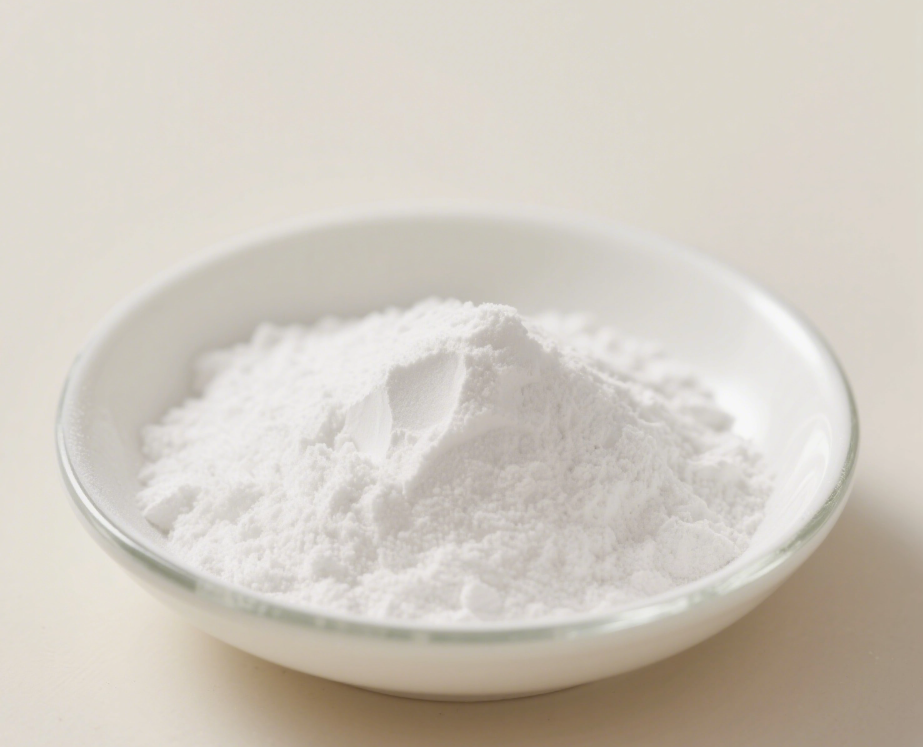
Evaluating the Mechanism: How Aluminum Hydroxide Powder Performs Under Stress
Formulators must fully understand how these minerals behave inside a burning polymer. The protection mechanism relies entirely on physical chemistry rather than toxic chemical reactions. The process begins with an intense endothermic breakdown. When temperatures reach approximately 220°C, the mineral undergoes rapid thermal decomposition. Chemists call this specific process calcination. The material absorbs massive amounts of heat energy directly from the fire source. This massive energy drain cools the surrounding polymer substrate rapidly.
During this chemical breakdown, the mineral releases roughly 34.6% of its total weight as crystalline water. This internal water transforms instantly into expanding vapor. The escaping vapor cools the polymer matrix even further. It also creates a non-flammable gas envelope around the material. This protective gas envelope literally starves the flame of essential oxygen.
Once the water escapes completely, the mineral leaves behind a rigid layer of aluminum oxide. Industry professionals commonly refer to this layer as the "char". The char acts as a highly effective physical barrier against extreme heat. It insulates the underlying polymer matrix efficiently. Thermal degradation stops immediately. This prevents further combustible fuel release into the active fire.
However, engineers must strictly heed a critical processing threshold warning. Because decomposition starts at roughly 220°C, you cannot compound it into high-temperature engineering plastics. Nylon and PET require processing temperatures far exceeding this thermal limit. Pushing the temperature too high triggers premature mineral decomposition. It releases water vapor directly inside your extrusion barrel. This ruins the physical structure of the extruded profile. Conversely, it remains the absolute ideal choice for EVA, PVC, PE, rubber, and epoxy systems.
Critical Specification Metrics for Sourcing Aluminum Hydroxide
Sourcing the right raw material requires rigorous attention to technical data. Small variations in powder geometry affect your final product drastically. You must evaluate multiple physical parameters before approving a new material grade.
Particle Size Distribution (PSD) dictates how the powder behaves during compounding. Choosing a fine aluminum hydroxide powder in the 1 to 5 micron range offers distinct performance advantages. It provides superior flame retardancy due to maximum surface area exposure. The final molded product achieves a remarkably smooth surface finish. However, these extremely fine particles possess massive interactive surface areas. They can exponentially increase your compounding melt viscosity.
Conversely, standard or coarse grades range from 10 to 50 microns. They suit high-loading applications perfectly. Solid surfaces and commercial carpet backing require massive filler volumes to meet cost targets. These larger particles prioritize mechanical strength. They also maintain excellent resin flowability during the manufacturing process.
Particle Size Distribution Comparison
| Grade Type | Typical Micron Range (D50) | Primary Manufacturing Advantage | Common Industrial Application |
| Ultra-Fine | 1 - 5 μm | Maximum fire resistance, smooth finish | Wire & Cable insulation, thin films |
| Standard | 10 - 25 μm | Balanced viscosity and strength | Epoxy potting, rubber molding |
| Coarse | 25 - 50 μm | High flowability, maximum loading | Solid surfaces, carpet backing |
Purity and whiteness represent another strictly non-negotiable metric. High-purity grades feature 99%+ chemical purity. They contain extremely low trace levels of iron and sodium oxides. You need this extreme purity for color-sensitive consumer products. Electrical insulators and optical cables also demand pristine purity levels. Trace metal impurities cause unwanted electrical conductivity. They also trigger severe discoloration during UV exposure.
Surface modification solves frustrating matrix compatibility issues. Untreated mineral surfaces strongly repel non-polar polymer chains. Evaluating silane or stearic acid surface coatings is essential. These chemical coatings drastically improve powder dispersion inside hydrophobic polymer matrices. A proper silane coating acts as a chemical bridge. It bonds the inorganic mineral directly to the organic resin chain.
This dynamic highlights exactly why choosing a tailored mineral treatment prevents agglomeration. Agglomeration means severe powder clumping inside the mixer. Clumping ruins the physical integrity of your formulated compound. A properly coated grade preserves the native tensile strength. It also protects the vital elongation properties of your final manufactured product.
Implementation Risks and Quality Control in Manufacturing
Transitioning to these sustainable minerals frequently introduces factory-level challenges. You must implement robust quality control protocols to ensure operational consistency. High loading requirements expose three primary implementation risks.
- Viscosity Spikes in Resins: Securing a strict V-0 flammability rating often requires 40-60% powder loading by weight. This massive volume thickens the base resin dramatically. It makes extrusion and injection molding extremely difficult. Machine operators face excessive head pressure and frequent die drool. Formulators mitigate this specific issue by blending different particle sizes. Combining fine and coarse grains optimizes internal packing density. It improves overall resin flow significantly.
- Moisture Content Variability: Your supplier must manage bulk packaging perfectly. Poorly packaged bags absorb ambient factory humidity quickly. This excess free moisture enters your heated extruder. The high mechanical heat vaporizes it immediately. You will observe severe bubbling and visible void formation. This creates massive porosity in your final extruded product. Monitor incoming moisture specs constantly to prevent this defect.
- Dispersion Failures: Processing highly loaded mineral compounds requires intense shear mixing equipment. Twin-screw extruders typically provide the necessary mechanical force. Uneven mixing leaves dry powder pockets inside the plastic. These localized weak spots ruin the physical structural matrix. During regulatory flammability testing, these exact weak spots will ignite rapidly. Uneven dispersion guarantees a failed UL 94 burn test.
Quality control technicians must conduct regular ash testing. This verifies the actual mineral loading percentage across different production shifts. Consistent checking prevents costly material failures in the field.
Shortlisting an Industrial ATH Supplier: The Procurement Checklist
Sourcing reliable raw materials dictates your long-term commercial success. Supply chain managers must utilize a stringent procurement checklist when evaluating potential mineral partners. You cannot afford unexpected production halts due to poor material sourcing.
Begin your audit by examining the supplier's raw bauxite sourcing. Ask direct questions about their supply chain stability. Do they own the mineral mines? Can they deliver consistent tonnage year over year? Geopolitical disruptions frequently break fragile international supply chains. Ensure your partner maintains strong domestic reserves. Alternatively, verify they possess highly diversified global sourcing networks.
Never accept generic or outdated technical data sheets. You must demand actual batch-to-batch consistency reports. Check the D50 metric closely, which indicates the median particle size. Verify the stated oil absorption rates. Review the specific surface area, commonly listed as the BET value. Consistency across these three vital metrics guarantees a stable daily manufacturing process.
The best suppliers do much more than ship bulk bags. Partner with organizations offering dedicated lab-scale sample support. Request smaller testing batches first. Run them through your internal rheological testing equipment. Conduct preliminary UL 94 vertical burn testing internally. Validate the entire formulation at a pilot scale first. Only move forward after successful pilot testing before committing to a full-scale commercial rollout.
Conclusion
Transitioning away from toxic halogens requires careful planning and precise material execution. Done correctly, it yields safer, globally compliant, and highly competitive manufactured products.
- Formulators must strictly respect the 200°C–220°C thermal processing limits to prevent catastrophic compounding failures.
- Success depends heavily on precise material specification. You must match particle size, coating chemistry, and absolute purity levels directly to your manufacturing environment.
- Blending various particle sizes provides a proven, highly effective method to optimize packing density and control stubborn resin viscosity.
Next Step: Consult directly with a specialized materials engineer. Request a detailed Technical Data Sheet (TDS). Secure a specific sample grade of aluminum hydroxide powder tailored perfectly for your polymer matrix and processing temperatures.
FAQ
Q: What is the maximum processing temperature for ATH powder?
A: ATH should not be processed above 200°C to 220°C. Exceeding this threshold causes premature decomposition, releasing water in the extruder and ruining the polymer structure.
Q: How does ATH compare to Magnesium Hydroxide (MDH)?
A: While both are non-halogenated mineral flame retardants, MDH has a higher thermal stability (decomposing at ~330°C), making it suitable for higher-temperature plastics like polypropylene, though it is typically more expensive than ATH.
Q: Can ATH powder be used in transparent plastics?
A: Standard ATH is opaque and will render clear plastics cloudy or white. For high-transparency needs, nano-scale or heavily modified specialty grades are required, though alternative chemistries are often preferred for clear applications.
Q: Why is surface-treated ATH necessary for certain applications?
A: Untreated ATH is highly hydrophilic (attracts water), making it difficult to mix into hydrophobic plastics and rubbers. Surface treatments (like silanes) bridge this gap, improving dispersion, reducing viscosity, and maintaining mechanical impact strength.


