Sourcing substandard raw materials for high-precision applications introduces compounding financial and operational risks. In sectors like aerospace, semiconductor manufacturing, investment casting, and advanced refractories, material integrity dictates final product viability. Minor variances in amorphous content, trace impurities, or particle size distribution (PSD) in raw silica routinely lead to catastrophic end-product failures. You might see thermal shock fracturing, compromised optical properties, or unpredictable slurry mixing times on the production floor.
Moving from lab-scale sampling to commercial procurement requires a rigorous evaluation framework. Transitioning to full-scale production demands strict verification of supplier capabilities, material consistency, and logistical reliability. This guide serves as a definitive checklist for vetting suppliers, verifying technical specifications, and mitigating supply chain risks when you decide to buy fused silica powder in bulk.
- Purity and Amorphous Yield Dictate Performance: High-grade fused silica must exceed 99% amorphous content to guarantee the exceptionally low coefficient of thermal expansion required for thermal shock resistance.
- Particle Size Distribution (PSD) is Non-Negotiable: Exacting PSD directly impacts packing density, viscosity in slurries, and mechanical strength, making batch-to-batch consistency a primary supplier evaluation metric.
- Packaging Protects the Investment: Proper moisture barriers and contamination-free handling protocols are critical to maintaining the integrity of the powder during transit and storage.
- Manufacturer vs. Distributor Dynamics: Direct engagement with a primary manufacturer often yields better traceability, customized grading, and more reliable long-term pricing than purchasing through secondary distributors.
The High Stakes of Sourcing Bulk Fused Silica Powder
Defining success criteria upfront establishes the baseline for a secure procurement strategy. When you run a continuous casting line or mix large batches of epoxy molding compounds, you need raw materials that behave exactly the same way every single time. A successful bulk sourcing operation guarantees zero production downtime due to raw material rejection. Incoming quality control must pass every batch without requiring secondary processing or emergency adjustments. Predictable yield rates, stable slurry mixing times, and a stable cost-per-unit rely entirely on the physical and chemical consistency of the incoming powder. If a batch requires your operators to adjust resin ratios on the fly, you lose money and time.
Material confusion remains a frequent source of costly procurement errors. Buyers must clearly distinguish between fused silica, fumed silica, and fused quartz. Fused silica is manufactured by melting high-purity quartz at extreme temperatures and cooling it rapidly to achieve a non-crystalline, amorphous state. Fumed silica, conversely, is a pyrogenic material produced via flame pyrolysis. It consists of microscopic droplets fused into branched chains and is used primarily as a rheology modifier or thickening agent. Confusing the two leads to severe dusting issues and entirely incorrect mixing ratios on the factory floor. Fused quartz is chemically similar to fused silica but is derived from natural quartz crystals rather than synthetic precursors. This distinction impacts optical transmission, thermal stability, and baseline material behavior.
Application-specific baselines dictate which material properties require the tightest tolerances. Success criteria shift drastically depending on the end-use environment. Epoxy Molding Compounds (EMCs) utilized in semiconductor packaging demand ultra-low radioactive trace elements to prevent soft errors in memory chips. Foundry investment casting prioritizes specific mesh sizes to control shell permeability and requires absolute thermal stability to withstand the shock of molten metal pouring. We see facilities struggle when they try to use a generic grade for a highly specialized application. You must align your procurement specifications directly with your engineering requirements.
Core Technical Specifications to Verify
Verifying amorphous content and phase purity is the most critical technical checkpoint. High-performance applications require a structure that is greater than 99% amorphous. This metric must be validated via X-Ray Diffraction (XRD) testing. The primary risk involves residual crystalline quartz, specifically cristobalite. Crystalline structures undergo phase transitions at elevated temperatures, causing sudden volumetric expansion. In high-heat applications, this expansion induces micro-cracking, compromising structural integrity and leading to catastrophic component failure. You cannot visually inspect for cristobalite. You must rely on hard data provided by the manufacturer.
Trace element thresholds directly influence chemical reactivity and electrical performance. The Certificate of Analysis (COA) must detail specific impurity levels, particularly Iron (Fe2O3), Aluminum (Al2O3), and Alkali metals (Na2O, K2O). Elevated alkali levels act as fluxing agents. They lower the melting point of the silica and severely degrade electrical insulation properties. Iron impurities cause discoloration and reduce ultraviolet transmission, rendering the material unsuitable for optical applications. When reviewing a COA, look closely at the parts-per-million (ppm) counts for these specific elements. Even a 10 ppm variance in sodium can alter the dielectric strength of an electronic potting compound.
Particle Size Distribution (PSD) and morphology control the physical behavior of the powder during manufacturing. Laser diffraction analysis provides the necessary D10, D50, and D90 metrics to confirm particle sizing. Particle shape also plays a vital role. Angular particles lock together, increasing the mechanical strength of the final composite, but they require higher resin volumes to wet out completely. Spherical particles improve flowability, reduce resin demand, and maximize packing density. Precise PSD control dictates slurry mixing times, dispersion stability, and specific liquid-to-powder mixing ratios. Tight PSD tolerances prevent agglomeration and ensure homogeneous distribution during continuous production runs. If your D50 shifts by even a few microns between shipments, your entire mixing protocol fails.
Typical Trace Element Thresholds for High-Purity Fused Silica
| Trace Element | Acceptable Limit (ppm) | Manufacturing Impact if Exceeded |
| Iron (Fe2O3) | < 10 ppm | Causes discoloration and degrades optical transmission properties. |
| Aluminum (Al2O3) | < 50 ppm | Alters high-temperature viscosity and thermal stability. |
| Sodium (Na2O) | < 5 ppm | Acts as a fluxing agent, lowering melting point and ruining dielectric strength. |
| Potassium (K2O) | < 5 ppm | Increases electrical conductivity, causing shorts in semiconductor packaging. |
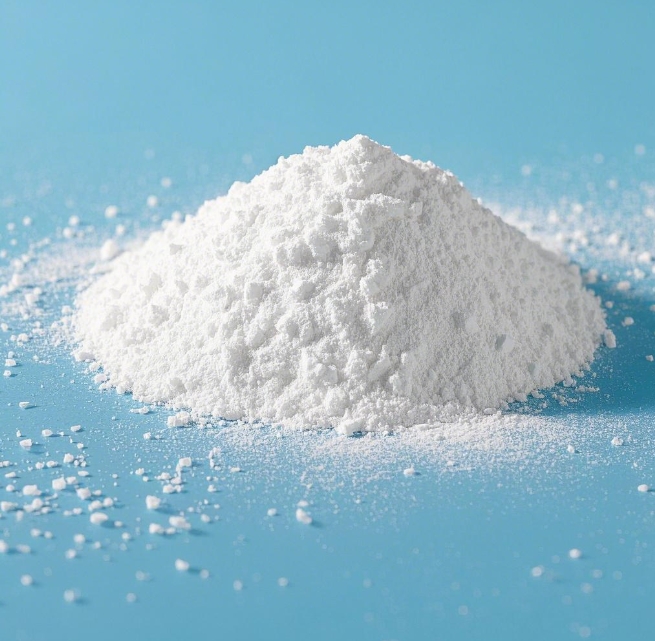
Fused Silica Quality Control and Testing Standards
Evaluating batch-to-batch consistency requires deep analysis of a supplier’s Statistical Process Control (SPC) data. Request historical COAs across multiple production runs spanning several months. Look for tight standard deviations in D50 particle size and trace metal parts-per-million (ppm). Consistent fused silica quality control prevents unexpected shifts in slurry viscosity and eliminates the need for operators to adjust resin ratios on the fly. You want to see a flat trendline on their control charts, indicating a highly capable manufacturing process with a Cpk value greater than 1.33.
Mandatory compliance documents validate the supplier's operational maturity. Require ISO 9001 certification to confirm formalized process management and traceability. REACH and RoHS compliance documentation is non-negotiable for materials entering electronic components bound for European markets. Detailed Safety Data Sheets (SDS) must outline specific handling protocols regarding respirable crystalline silica limits to ensure facility safety compliance. A supplier that hesitates to provide these documents is hiding operational deficiencies.
Internal testing apparatus requires external validation. Require third-party independent lab assays to corroborate the supplier’s internal testing data. Independent validation ensures the calibration accuracy of their XRD and laser diffraction equipment, providing an objective baseline for material purity and particle sizing. We always recommend sending a blind sample to a trusted lab during the initial vetting phase. This step verifies that the numbers on the COA match the physical reality of the powder.
Evaluating a Fused Silica Powder Manufacturer vs. Supplier
Supply chain transparency heavily favors direct engagement with primary producers. Buying direct from a fused silica powder manufacturer reduces opacity and limits the risk of receiving blended batches. Third-party distributors often mix materials from multiple origins to meet volume demands, destroying traceability. A primary manufacturer controls the raw quartz ore source and dictates the specific electric arc melting parameters. This direct control ensures long-term supply stability and guarantees baseline thermal properties remain consistent over years of procurement. You know exactly where your material originates and how it was processed.
Off-the-shelf grades rarely optimize complex manufacturing processes. Assess the manufacturer's ability to engineer custom fused silica powder. Look for specialized milling capabilities, specific mesh sizing adjustments, or proprietary particle size blends tailored to your unique equipment. Evaluate their R&D responsiveness during the sampling and prototyping phases. A capable partner will adjust milling times to shift the D50 metric slightly to accommodate your specific resin viscosity requirements. They will work with you to develop a bimodal particle distribution if you need to maximize packing density beyond standard limits.
Production capacity and lead times require formal auditing. Establish a framework for evaluating a supplier’s surge capacity and inventory buffering practices. A reliable fused silica powder supplier maintains strategic safety stock to absorb raw material shortages or global shipping delays. Review their historical lead-time reliability and demand transparency regarding their contingency plans for equipment downtime. You need a partner who can scale with your production ramps without compromising on quality. Ask them directly about their furnace capacity and milling throughput limits.
Fused Silica Powder Packaging and Logistics
Fused silica is highly susceptible to moisture adsorption. Critical fused silica powder packaging requirements include multi-ply moisture-resistant bags, heavy-duty polyethylene liners, and FIBCs (Flexible Intermediate Bulk Containers or Super Sacks). Improper packaging allows moisture ingress during ocean transit or humid warehouse storage. Moisture causes severe agglomeration, disrupting exact mixing ratios and forcing manufacturers to implement costly, energy-intensive pre-drying steps before the powder can be introduced into the production line. If your powder arrives clumped, your packaging specification failed.
Logistical considerations heavily depend on the material's bulk density, which typically ranges from 2.2 g/cm³ to 2.33 g/cm³. The manufacturer's specific densification method affects the final bulk density, which in turn dictates freight weight limits and warehouse storage footprints. Low-density powders require more volume per metric ton, increasing shipping costs and storage space requirements. You must factor these logistical constraints into your warehouse planning. A powder that is milled too fine will aerate during transport, drastically reducing the amount of material you can fit into a standard shipping container.
Handling fine silica dust triggers strict occupational health and safety (OSHA) requirements. Airborne particulate exposure poses severe respiratory risks to facility personnel. Packaging must support closed-loop pneumatic conveying systems. Super sacks equipped with specialized discharge spouts allow for dust-free unloading, mitigating airborne exposure and overcoming severe dusting issues on the factory floor. We strongly advise using Type C or Type D anti-static bulk bags if you are discharging the powder into environments containing flammable resin vapors, preventing static discharge incidents.
Cost Drivers and Value Trade-Offs
Analyzing comprehensive operational expenses reveals the true cost of raw materials. Opting for the lowest initial quote routinely results in higher overall lifecycle costs. Substandard bulk fused silica powder drives up scrap rates, increases resin consumption due to poor particle morphology, and extends mixing times. Ultimately, poor material purity leads to premature product failure in the field, triggering warranty claims and reputational damage that far exceed the initial savings on raw powder. You are not just buying powder; you are buying process stability.
Material alternatives like fused quartz or borosilicate glass offer lower upfront costs for less demanding applications. However, the premium for ultra-pure, >99% amorphous fused silica is technically justified when extreme thermal shock resistance, near-zero thermal expansion, and high dielectric strength are non-negotiable performance criteria. Substituting inferior materials in high-heat environments guarantees structural failure. If your investment casting shell cracks during the burnout phase because you used a cheaper silica blend, you lose the entire casting.
Volume procurement and contract structures dictate long-term financial stability. Spot buying exposes operations to market volatility and material shortages. Long-term contracts guarantee allocation during supply chain disruptions. Index fluctuations for fused silica are heavily influenced by geopolitical factors, freight rates, and energy availability. Fusing quartz requires massive electrical power consumption, with arc furnaces exceeding 2000°C. This makes industrial energy availability a primary driver of the final material cost. Securing a reliable supply chain means understanding these upstream cost drivers.
Material Property Comparison
| Material Type | Manufacturing Process | Primary Industrial Function | Thermal Expansion Coefficient |
| Fused Silica | Electric arc melting of synthetic precursors | Thermal shock resistance, investment casting, EMCs | Extremely Low (~0.55 x 10^-6/°C) |
| Fumed Silica | Flame pyrolysis of silicon tetrachloride | Rheology modifier, thickening agent, anti-caking | Not applicable (used as additive) |
| Fused Quartz | Melting of natural quartz crystals | Optical lenses, laboratory glassware, semiconductor tubes | Low (slightly higher than fused silica) |
Conclusion
Procuring bulk fused silica powder is a highly technical exercise where material purity, consistent PSD, and rigorous quality control vastly outweigh baseline costs. Compromising on amorphous content or trace element thresholds introduces unacceptable risks to final product integrity. Successful procurement relies on strict verification protocols and direct engagement with capable manufacturers.
Shortlisting potential partners requires applying strict filters. Demand verified amorphous content exceeding 99%, proven batch-to-batch consistency via historical SPC data, robust moisture-barrier packaging standards, and direct supply chain transparency.
Take immediate action to validate supplier capabilities:
- Request a 1kg to 5kg sample alongside a recent Certificate of Analysis (COA) for initial laboratory evaluation.
- Initiate a pilot run to test rheology, dispersion stability, and thermal performance within your specific manufacturing environment.
- Schedule a comprehensive facility audit for the final shortlisted supplier to verify production capacity and quality control infrastructure.
FAQ
Q: What is the standard bulk density of fused silica powder?
A: The standard bulk density typically ranges from 2.2 to 2.33 g/cm³. The exact density depends heavily on the particle size distribution, the level of compaction during packaging, and the manufacturer's specific densification method. Finer powders generally exhibit lower bulk densities, which impacts freight calculations and warehouse storage requirements.
Q: How do I verify the amorphous content of bulk fused silica?
A: Amorphous content is verified using X-Ray Diffraction (XRD) testing. You must request the XRD results on the supplier's Certificate of Analysis (COA). The documentation should confirm that the material possesses a >99% amorphous structure, ensuring the absence of crystalline cristobalite that causes thermal expansion issues.
Q: What is the difference between fused silica and fumed silica?
A: They are entirely different materials. Fused silica is produced by melting high-purity quartz and cooling it into an amorphous solid, used for thermal shock resistance. Fumed silica is produced via flame pyrolysis, resulting in microscopic droplets used primarily as a rheology modifier or thickening agent in liquids and resins.
Q: What is the difference between fused silica and fused quartz?
A: Fused quartz is typically manufactured by melting natural quartz crystals, which retains specific trace impurities. Fused silica is often derived from synthetic precursors, resulting in higher overall purity. This difference impacts optical transmission rates, trace element profiles, and baseline thermal stability in extreme environments.
Q: What packaging options are best for bulk fused silica powder?
A: The best options prioritize moisture prevention and dust control. Flexible Intermediate Bulk Containers (FIBC super sacks) with heavy-duty moisture-barrier liners are ideal for large volumes. For smaller batches, standard 25kg multi-wall paper bags with internal polyethylene liners effectively prevent agglomeration and dusting during transport.
Q: How does particle size distribution affect fused silica performance?
A: Particle Size Distribution (PSD) directly impacts the packing density, slurry viscosity, and mixing times during production. Precise PSD control ensures optimal resin wet-out and prevents agglomeration. In final applications, the correct PSD maximizes the mechanical strength and thermal stability of the cast or composite part.


