Introduction
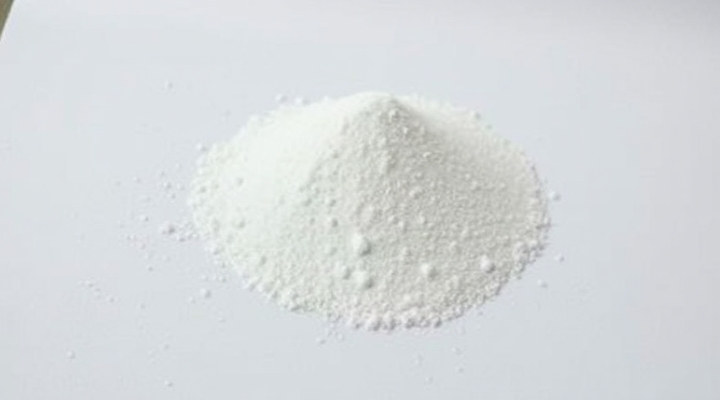
Fused silica powder is a highly refined form of silicon dioxide (SiO₂), known for its exceptional purity and unique physical properties. It plays a crucial role in various industries, including electronics, optics, and ceramics, due to its low thermal expansion, high chemical stability, and excellent insulating capabilities. Understanding the cost of fused silica powder per kilogram is essential for manufacturers, researchers, and investors who rely on this material for high-performance applications.
The market dynamics of fused silica powder are influenced by a multitude of factors, including raw material availability, production processes, and global demand trends. This article delves into these factors, providing a comprehensive analysis to help stakeholders make informed decisions regarding procurement and investment.
Understanding Fused Silica Powder
Fused silica powder is produced by melting high-purity silica at temperatures exceeding 1,700°C and then cooling it rapidly to prevent crystallization. This process results in an amorphous form of silicon dioxide with exceptional optical and thermal properties. Its applications are widespread, encompassing areas such as semiconductor manufacturing, optical fiber production, and advanced refractory materials.
Properties and Applications
The unique properties of fused silica powder include its low coefficient of thermal expansion, high resistance to thermal shock, and excellent dielectric properties. These characteristics make it indispensable in the production of high-precision components that require stability under extreme conditions. For instance, in the electronics industry, it is used as a filler material in epoxy molding compounds for integrated circuits and semiconductor devices.
In optics, fused silica powder is essential for manufacturing lenses, prisms, and other components that demand high transparency and minimal light distortion. Its chemical inertness also makes it suitable for use in harsh chemical environments, such as those encountered in chemical processing equipment and high-temperature furnaces.
Factors Influencing the Cost per Kilogram
The cost of fused silica powder per kilogram is not static; it fluctuates based on several interrelated factors. Understanding these elements is vital for buyers aiming to optimize their procurement strategies and for suppliers planning production and pricing.
Raw Material Availability
The primary raw material for producing fused silica powder is high-purity quartz sand. The availability and quality of this raw material significantly impact the production cost. Regions with abundant deposits of high-purity quartz, such as certain areas in the United States, Brazil, and Norway, often have a competitive advantage. However, mining regulations, environmental concerns, and geopolitical factors can affect the supply chain and, consequently, the cost.
Production Processes
Manufacturing fused silica powder involves energy-intensive processes such as electric arc fusion or flame hydrolysis. The choice of production method affects not only the quality of the final product but also the overall cost. Advanced techniques that produce ultra-high-purity powder typically result in higher production costs due to increased energy consumption and more stringent control measures.
Purity Levels
Purity is a critical parameter that influences the price. Fused silica powder with purity levels exceeding 99.99% commands a premium due to the complexities involved in eliminating impurities. Industries such as semiconductor manufacturing require ultra-high-purity materials to prevent defects in microelectronic devices. As a result, the higher the purity requirement, the higher the cost per kilogram.
Particle Size and Distribution
The particle size and its distribution are tailored to specific applications, and achieving precise control over these parameters can increase production costs. Fine powders with uniform particle sizes are often more expensive due to the additional processing steps required, such as milling and classification. These fine powders are essential in applications where surface smoothness and material homogeneity are critical.
Global Market Trends
The global market for fused silica powder is influenced by the growth of end-use industries, technological advancements, and regional economic conditions. Understanding these trends helps in forecasting pricing movements and supply-demand dynamics.
Regional Price Variations
Prices can vary significantly across different regions due to factors such as labor costs, energy prices, and environmental regulations. For example, production costs in countries with lower energy expenses and labor costs may be less, resulting in more competitive pricing. Conversely, strict environmental policies in developed countries can increase production costs due to the need for cleaner technologies and waste management systems.
Supply and Demand Dynamics
The demand for fused silica powder is closely tied to the performance of key industries like electronics, telecommunications, and aerospace. Rapid technological developments and the expansion of 5G networks have increased the demand for high-quality optical fibers, driving up the need for fused silica powder. Supply constraints, whether due to limited production capacities or raw material shortages, can elevate prices.
Pricing Analysis
As of the latest market data, the cost of fused silica powder per kilogram ranges from approximately $5 to $30, depending on the factors discussed earlier. Bulk purchases and long-term contracts can often secure lower prices, while specialty grades with ultra-high purity or specific particle sizes may be priced higher.
Bulk Purchasing Advantages
Manufacturers consuming large quantities of fused silica powder can benefit from economies of scale. Suppliers may offer discounts for bulk orders, reducing the cost per kilogram. Additionally, establishing strong relationships with suppliers can lead to more favorable terms and priority in supply during high-demand periods.
Specialty Grades and Customization
Customized fused silica powders designed for specific applications may incur additional costs. Customization can include tailored particle sizes, surface treatments, or doping with other materials to modify properties. These specialized products require additional processing and quality control measures, contributing to higher prices.
Case Studies
Examining real-world scenarios provides practical insights into the cost implications of using fused silica powder in various industries.
Electronics Industry
A semiconductor manufacturer requiring high-purity fused silica powder for encapsulating integrated circuits may prioritize purity and particle size distribution. The company might source powder at $25 per kilogram due to the stringent specifications. However, by optimizing their formulations and working closely with suppliers, they could identify acceptable materials at $20 per kilogram without compromising on quality.
Optical Fiber Production
An optical fiber producer may focus on the optical clarity and transmission properties of fused silica powder. They might invest in ultra-high-purity material at $30 per kilogram to ensure minimal signal loss. The high initial cost is justified by the performance requirements and the critical nature of the application.
Cost-Saving Strategies
Businesses can employ several strategies to manage and reduce the cost of fused silica powder without sacrificing quality.
Supplier Diversification
Engaging with multiple suppliers allows companies to compare prices and negotiate better terms. It also mitigates the risk of supply disruptions impacting production schedules.
Material Optimization
By closely analyzing their processes, companies may find that lower-grade fused silica powder meets their requirements, enabling cost savings. This approach must balance performance specifications with cost considerations to maintain product quality.
Future Outlook
The demand for fused silica powder is expected to grow, driven by advancements in technology and increasing applications in emerging industries such as renewable energy and electric vehicles. Innovations in production methods may lead to cost reductions and improved material properties.
Investments in research and development are likely to yield new grades of fused silica powder with enhanced features, potentially opening up new markets. Companies that stay abreast of these developments can capitalize on opportunities to optimize their usage and manage costs effectively.
Conclusion
Understanding the cost of fused silica powder per kilogram requires a comprehensive analysis of various factors, including raw material availability, production processes, purity levels, and market dynamics. Stakeholders must consider these elements to make informed decisions that balance cost and quality.
As the market evolves, staying informed about trends and leveraging strategic relationships with suppliers will be crucial in managing expenses associated with fused silica powder. By adopting cost-saving strategies and remaining adaptable to technological advancements, businesses can ensure they remain competitive in their respective industries.


