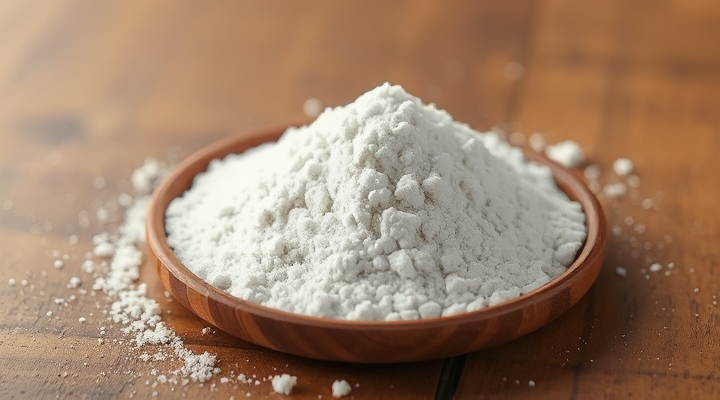
Magnesium hydroxide, a compound often recognized for its role in antacids, has a much broader and more significant impact across numerous industries. This versatile, non-toxic alkali is a powerhouse component, driving safety, efficiency, and environmental sustainability in everything from manufacturing to pollution control.
This guide will explore the extensive industrial applications of magnesium hydroxide. We will cover its fundamental properties, its critical functions in environmental protection and flame retardancy, and its specific uses in sectors such as plastics, chemical manufacturing, and water treatment. By the end, you will have a comprehensive understanding of why this compound is essential for modern industry.
What Is the Industrial Use of Magnesium Hydroxide?
Magnesium hydroxide’s versatility allows it to play multiple roles across different sectors. Here is a brief summary of its primary industrial uses:
Environmental Protection
It is a cornerstone of environmental management, used to neutralize acidic industrial discharges, remove heavy metals from wastewater, and scrub sulfur dioxide from flue gases.
Flame Retardancy & Smoke Suppression
As a non-halogenated flame retardant, it is added to plastics and polymers to improve fire safety in cables, construction materials, and automotive parts.
Water and Wastewater Treatment
It is used to control pH, reduce corrosion, remove impurities like phosphorus and silica, and stabilize sludge in municipal and industrial water treatment systems.
Plastics, Rubber, and Polymer Additives
In addition to flame retardancy, it acts as a mineral filler and heat stabilizer, improving the mechanical properties and processing of various polymers.
Chemical Processing Applications
It serves as a pH control agent, a precursor for producing other magnesium compounds (like magnesium oxide), and a catalyst support in various chemical reactions.
Magnesium Hydroxide in Environmental Treatment
One of the most significant industrial uses for magnesium hydroxide is in environmental protection, particularly for treating industrial wastewater and effluent. Its gentle yet effective alkaline properties make it an ideal choice for meeting strict environmental regulations.
Acid Neutralization in Wastewater
Many industrial processes, such as metal finishing, mining, and chemical manufacturing, produce acidic wastewater. Releasing this water without treatment would harm aquatic life and damage infrastructure. Magnesium hydroxide is used to neutralize these acidic streams, raising the pH to a safe, neutral level (typically 6-9) before discharge.
Heavy-Metal Precipitation
Industrial wastewater is often contaminated with toxic heavy metals like lead, copper, nickel, and zinc. Magnesium hydroxide effectively removes these contaminants through precipitation. By raising the pH of the water, it converts the soluble metal ions into insoluble metal hydroxides, which can then be filtered out as a solid sludge. This process can achieve a higher degree of metal removal compared to other alkalis and produces a denser, more easily dewatered sludge.
pH Buffering in Municipal and Industrial Systems
The slow-reacting nature of magnesium hydroxide provides a natural buffering effect, preventing wild pH swings. This stability is crucial for biological treatment processes in wastewater plants, where microorganisms need a consistent pH to function effectively. It ensures a stable and predictable treatment environment.
Advantages Over Sodium Hydroxide and Lime
Compared to traditional alkalis, magnesium hydroxide offers several distinct advantages in environmental treatment:
Safety: It eliminates the chemical burn hazards associated with sodium hydroxide.
Stable pH Control: Its low solubility prevents over-treatment and maintains the pH within a narrow, safe range.
Denser Sludge: It produces a sludge with a lower water content, reducing disposal volumes and costs.
Nutrient Contribution: In some cases, the magnesium it adds to the water can be a beneficial nutrient for biological treatment systems.
Magnesium Hydroxide as a Flame Retardant & Smoke Suppressant
The demand for safer, more environmentally friendly materials has driven the adoption of magnesium hydroxide as a leading non-halogenated flame retardant. It is incorporated into a wide range of polymers to reduce their flammability and smoke production during a fire.
How Mg(OH)₂ Decomposes and Releases Water Vapor
When exposed to temperatures above 332°C (630°F), magnesium hydroxide undergoes an endothermic decomposition. It breaks down into magnesium oxide (MgO) and water vapor (H₂O). This reaction absorbs a significant amount of heat from the surrounding material, effectively cooling it down below the temperature required for combustion.
Cooling Effect and Gas-Dilution Mechanism
The flame-retardant action of magnesium hydroxide works in three ways:
Cooling: The endothermic decomposition removes heat energy from the polymer.
Dilution: The release of water vapor dilutes the flammable gases produced by the decomposing polymer, reducing their concentration below the flammability limit.
Char Formation: The resulting layer of magnesium oxide forms a protective char barrier on the material’s surface, which insulates the underlying polymer from heat and oxygen.
Furthermore, because it contains no halogens (like chlorine or bromine), it does not produce the toxic and corrosive smoke associated with traditional halogenated flame retardants.
Key Industries Using It
Magnesium hydroxide is a preferred flame retardant in sectors where fire safety and low smoke emissions are critical:
Plastics & Cables: For wire and cable insulation, especially in tunnels, public transport, and high-rise buildings.
Automotive: In under-the-hood components, interior parts, and electric vehicle battery casings.
Electronics: For connectors, circuit boards, and appliance housings.
Construction: In roofing membranes, insulation panels, and composite building materials.
Comparison with Aluminum Hydroxide Flame Retardants
Aluminum hydroxide (ATH) is another common mineral flame retardant. The main difference is their decomposition temperature. ATH decomposes at a lower temperature (around 220°C), making it suitable for polymers processed at lower temperatures. Magnesium hydroxide’s higher decomposition temperature makes it ideal for polymers that require higher processing temperatures, such as polypropylene and polyamides, without causing premature decomposition during manufacturing.
Magnesium Hydroxide in Water & Wastewater Treatment
Beyond general environmental treatment, magnesium hydroxide has specific, highly valuable applications within municipal and industrial water systems.
Neutralizing Acidic Industrial Effluents
Power plants, metal finishing facilities, and food processing plants often generate large volumes of acidic wastewater. Magnesium hydroxide slurry is dosed into these streams to bring the pH to a safe level for discharge or further treatment. Its slow reaction rate ensures that the pH does not overshoot the target, a common problem with caustic soda.
Controlling Corrosion in Pipelines
In drinking water distribution systems, slightly acidic water can be corrosive to metal pipes, leading to leaks and the leaching of harmful metals like lead and copper into the water supply. Dosing with magnesium hydroxide raises the pH and alkalinity, creating a protective carbonate layer on the inside of the pipes and mitigating corrosion.
Removing Phosphorus, Sulfides, and Ammonia
Magnesium hydroxide aids in the removal of specific contaminants. It reacts with phosphates to form magnesium ammonium phosphate (struvite), a stable solid that can be removed and even repurposed as a slow-release fertilizer. It also helps control the release of hydrogen sulfide gas (which causes rotten-egg odors) in sewer systems by maintaining a higher pH.
Use in Power Plants, Metal Finishing, and Food Processing Wastewater
Power Plants: Used to neutralize acidic wastewater from boiler cleaning and flue gas desulfurization.
Metal Finishing: Crucial for precipitating heavy metals and neutralizing acidic rinse waters.
Food Processing: Helps treat acidic wastewater from cleaning and processing operations, particularly in the dairy and citrus industries.
Use of Magnesium Hydroxide in Plastics, Rubber, and Polymers
In the polymer industry, magnesium hydroxide is valued not just as a flame retardant but also as a functional additive that enhances material properties.
As a Non-Toxic Mineral Filler
Magnesium hydroxide can be used as a mineral filler to add bulk and improve the stiffness and dimensional stability of plastics and rubber. As a non-toxic and cost-effective filler, it provides an alternative to other minerals like calcium carbonate or talc, with the added benefit of flame retardancy.
As a Heat-Absorbing Stabilizer
During polymer processing, magnesium hydroxide can absorb excess heat, preventing thermal degradation of the polymer. This allows for higher processing temperatures and faster production rates without compromising the material’s integrity.
Enhancing Fire Performance of PE, PVC, EVA, Rubber
It is widely used in common polymers to meet stringent fire safety standards.
Polyethylene (PE) and Polypropylene (PP): For use in cables, pipes, and automotive parts.
Polyvinyl Chloride (PVC): As a co-additive to reduce smoke and improve char formation in flexible PVC applications like flooring and wall coverings.
Ethylene-Vinyl Acetate (EVA): A key component in halogen-free flame retardant (HFFR) cable compounds.
Why Manufacturers Choose It for Halogen-Free Products
Growing regulatory pressure and consumer demand are pushing manufacturers away from halogenated materials due to the toxic and corrosive smoke they release in a fire. Magnesium hydroxide provides a highly effective, “clean” alternative, allowing companies to market their products as “halogen-free,” “low-smoke,” and environmentally friendly.
Chemical Manufacturing Applications
Magnesium hydroxide is a fundamental building block and processing aid in the chemical industry.
Precursor for Magnesium Salts
It is the starting material for producing other high-purity magnesium compounds. By reacting it with different acids, manufacturers can produce:
Magnesium Oxide (MgO): By heating (calcinating) magnesium hydroxide.
Magnesium Chloride (MgCl₂): By reacting with hydrochloric acid.
Magnesium Sulfate (MgSO₄): By reacting with sulfuric acid.
Catalyst Support and pH Control
Its high surface area and controlled reactivity make it a suitable support material for catalysts used in various chemical reactions. It is also used as a pH-adjusting agent to optimize reaction conditions in the synthesis of fine chemicals.
Applications in Pharmaceuticals and Food-Grade Processing
In its highly purified form, magnesium hydroxide is used in pharmaceutical production as an active ingredient (e.g., in antacids and laxatives) and as a processing aid. In the food industry, it serves as a food additive (E528) for pH control and as a magnesium supplement.
Mining, Refining & Pulp/Paper Industry Uses
Magnesium hydroxide also plays important roles in heavy industries, helping them meet environmental standards and optimize processes.
Flue Gas Desulfurization (FGD)
Coal-fired power plants and industrial smelters produce sulfur dioxide (SO₂), a primary cause of acid rain. Magnesium hydroxide slurry is used in “wet scrubbers” to capture and neutralize SO₂ from flue gases, converting it into magnesium sulfite, which can then be processed further.
Sludge Stabilization and Odor Control
In mining operations, it is used to stabilize sludge from wastewater treatment, making it safer and easier to handle. It also helps control odors by preventing the formation of hydrogen sulfide.
Neutralization in Paper Bleaching Processes
The pulp and paper industry uses magnesium hydroxide to control pH during the bleaching process. It provides a safer and more stable alternative to caustic soda, protecting cellulose fibers from degradation and improving the final paper quality.
Why Industries Prefer Magnesium Hydroxide
The shift toward magnesium hydroxide is driven by a powerful combination of safety, performance, and cost-effectiveness.
Safer Handling Compared with NaOH
The non-corrosive nature of magnesium hydroxide significantly reduces risks to workers and simplifies storage and handling requirements. This leads to a safer workplace and lower insurance costs.
Slow-Release Alkalinity for Stable pH Control
Its low solubility ensures a gradual, controlled reaction. This “buffering” capability is invaluable in sensitive applications like biological wastewater treatment, where stable pH is essential.
Non-Corrosive and Eco-Friendly
It does not damage pumps, pipes, or concrete, reducing maintenance costs. As an environmentally benign compound, it aligns with corporate sustainability goals.
Cost Efficiency in Long-Term Operations
While the initial per-pound cost of magnesium hydroxide can be higher than that of lime or caustic soda, it often proves more cost-effective in the long run. The lower usage rates, reduced sludge disposal costs, and savings on safety and maintenance make it an economically smart choice.
Final Summary - The Industrial Use of Magnesium Hydroxide
Magnesium hydroxide has firmly established itself as a versatile and indispensable industrial chemical. Its utility spans a vast range of sectors, where it plays critical roles in ensuring safety, protecting the environment, and improving manufacturing processes.
Key Roles Across Sectors
From preventing fires in consumer electronics to purifying water for entire municipalities, magnesium hydroxide’s impact is profound. It is a key enabler of greener technologies and safer products.
Why Its Demand Is Growing Globally
As environmental regulations become stricter and industries prioritize sustainability and worker safety, the demand for magnesium hydroxide continues to grow. Its ability to solve multiple problems with a single, safe solution makes it a chemical of the future.
The Combination of Safety, Performance, and Versatility
Ultimately, the success of magnesium hydroxide lies in its unique balance of properties. It delivers high performance without the hazards, offering a versatile tool that helps industries operate more efficiently, safely, and responsibly.
FAQs
What industries use magnesium hydroxide the most?
The largest consumers are the environmental sector (for water and wastewater treatment) and the plastics/polymers industry (as a flame retardant). It is also heavily used in chemical manufacturing, pulp and paper, and flue gas desulfurization.
Is magnesium hydroxide safe for environmental applications?
Yes, it is considered one of the most environmentally safe alkalis. It is non-toxic, and its reaction byproducts (magnesium salts and water) are harmless to aquatic ecosystems. In fact, magnesium can be a beneficial nutrient in some biological systems.
How is magnesium hydroxide different from lime or caustic soda?
The primary differences are safety and reactivity. Magnesium hydroxide is non-corrosive and safer to handle. Its low solubility provides a slow, buffered reaction, preventing pH spikes that can occur with highly soluble and reactive chemicals like caustic soda and lime.
Does magnesium hydroxide work in high-temperature applications?
Yes, its thermal stability up to 332°C (630°F) makes it highly effective as a flame retardant in polymers that are processed at high temperatures, such as polypropylene and engineering plastics.
Why is magnesium hydroxide preferred for halogen-free flame retardants?
It is preferred because it effectively suppresses fire and smoke without producing the toxic, corrosive gases associated with halogenated flame retardants. This makes products safer during a fire and helps manufacturers meet increasingly stringent environmental and safety standards.
Jiangsu Shengtian New Materials Co., Ltd. is a leading manufacturer of inorganic ultra-fine functional powders, offering high-purity aluminum hydroxide and a wide range of advanced material solutions. With strong R&D capabilities and modern production facilities, we supply reliable, high-performance products for industries including electronics, flame-retardant materials, ceramics, plastics, and water treatment. As a trusted global partner, we are committed to quality, innovation, and long-term customer value.


