From the antacid in your medicine cabinet to the flame retardant in your home’s wiring, aluminum hydroxide is a compound that plays a significant, yet often unnoticed, role in our daily lives. This versatile substance is a key ingredient in numerous medical and industrial products, valued for its unique chemical properties. Despite its widespread use, many people are unfamiliar with what aluminum hydroxide is, how it works, and why it’s so important.
This guide provides a comprehensive look at aluminum hydroxide. We will explore its chemical nature, how it functions in both medical and industrial settings, and its various applications. By understanding this compound, you can gain a deeper appreciation for its role in enhancing safety, improving health, and enabling technological advancements.
1. What Is Aluminum Hydroxide?
Aluminum hydroxide is a common, naturally occurring compound with a wide range of applications. It is found in nature as the mineral gibbsite and is a fundamental component of the aluminum ore bauxite.
Chemical Definition and Production
Chemically, aluminum hydroxide is represented by the formula Al(OH)₃. It consists of one aluminum atom bonded to three hydroxide (OH) groups. This structure makes it an amphoteric substance, meaning it can act as both an acid and a base, although it is most commonly used for its basic properties.
The primary method for producing aluminum hydroxide is the Bayer process. This industrial process involves dissolving bauxite ore in a hot sodium hydroxide solution. After impurities are removed, the solution is cooled, causing pure aluminum hydroxide to precipitate out as a white, crystalline solid. This material can then be processed for various uses.
Physical Properties
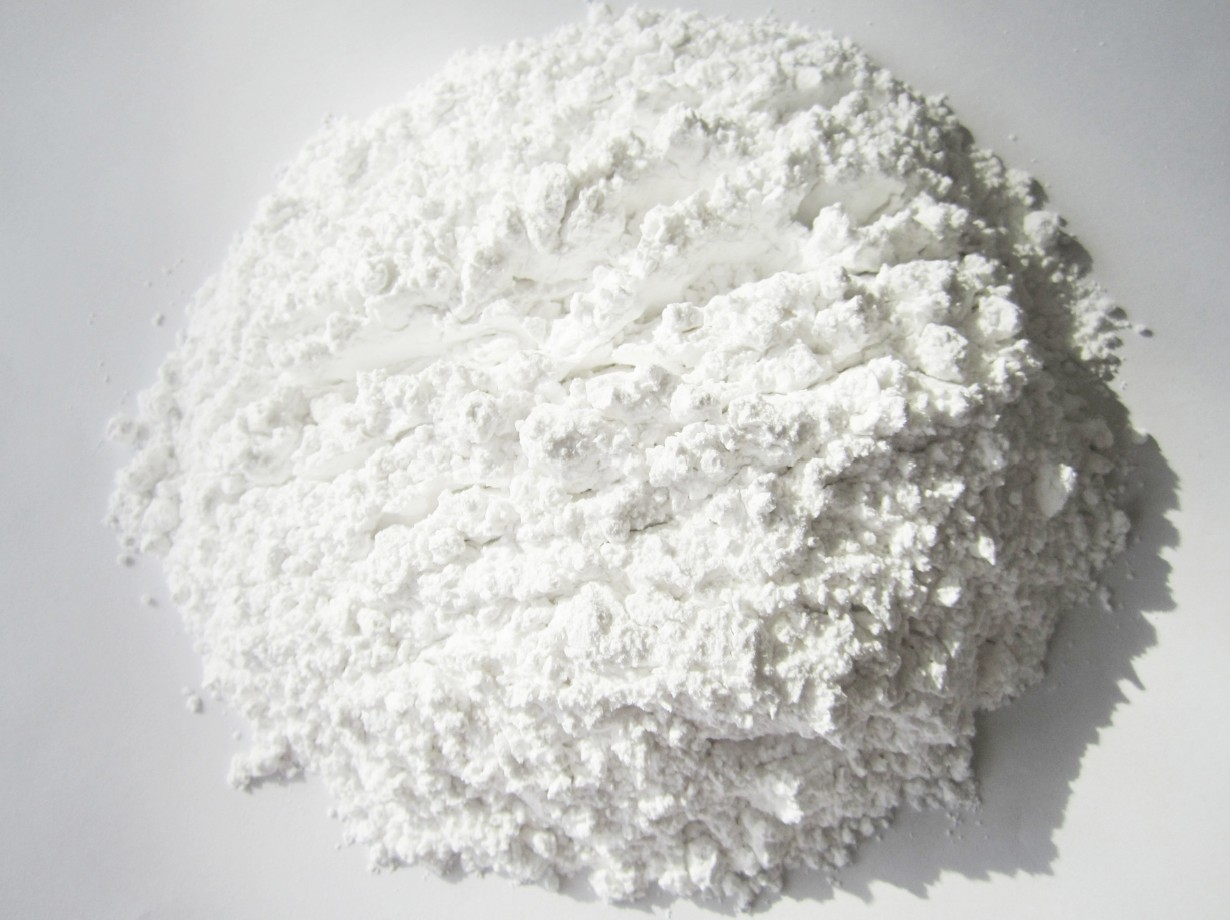
Aluminum hydroxide is a white, odorless powder or crystalline solid. It is practically insoluble in water but can dissolve in strong acids and bases. Its stability at room temperature makes it easy to handle and store. When heated to around 200°C (392°F), it decomposes into aluminum oxide (Al₂O₃) and water vapor, a property that is crucial for its use as a flame retardant.
Why Is It So Widely Used?
The widespread use of aluminum hydroxide stems from its unique combination of properties. Medically, its ability to neutralize acid makes it an effective antacid. In industrial settings, its thermal decomposition, which releases water and absorbs heat, makes it an excellent flame retardant. Furthermore, it is abundant, relatively inexpensive to produce, and considered safe when used correctly, making it a preferred choice in many applications.
2. How Aluminum Hydroxide Works
The effectiveness of aluminum hydroxide in its various applications is due to its specific chemical reactions and physical interactions.
Neutralizing Stomach Acid
In medicine, aluminum hydroxide is best known as an antacid. When ingested, it reacts with excess hydrochloric acid (HCl) in the stomach. The chemical reaction is:
Al(OH)₃ + 3HCl → AlCl₃ + 3H₂O
This reaction neutralizes the stomach acid, raising the pH level and providing relief from symptoms of heartburn, acid indigestion, and sour stomach. The aluminum chloride (AlCl₃) produced is then typically passed through the digestive system.
Pharmacodynamics & Pharmacokinetics
In simple terms, pharmacodynamics is what a drug does to the body, while pharmacokinetics is what the body does to the drug.
Pharmacodynamics: Aluminum hydroxide acts locally in the stomach as a base to neutralize acid. It does not have systemic effects when used at recommended doses for short periods.
Pharmacokinetics: The drug is minimally absorbed into the bloodstream. The small amount of aluminum that is absorbed is usually excreted by the kidneys. This low absorption rate is key to its safety profile, as high levels of aluminum in the body can be toxic.
Soothing Minor Topical Burns
Beyond its use as an antacid, aluminum hydroxide is sometimes used in topical preparations to soothe minor skin irritations and burns. Its mild astringent properties can help to dry out weeping or oozing skin, providing a protective barrier and promoting healing.
3. Medical Uses of Aluminum Hydroxide
Aluminum hydroxide has been a staple in medicine for decades, primarily for managing conditions related to excess stomach acid.
Treating Acid Indigestion, Heartburn, and Dyspepsia
The most common medical use of aluminum hydroxide is for the short-term relief of gastrointestinal discomfort. It is available over-the-counter as a standalone antacid or in combination with other active ingredients. It works quickly to neutralize acid, providing fast relief from the burning sensation of heartburn and the discomfort of indigestion.
Combination Antacid Formulations
Aluminum hydroxide is often combined with magnesium hydroxide in antacid products. This combination is strategic because aluminum hydroxide tends to cause constipation, while magnesium hydroxide can have a laxative effect. By combining them, manufacturers can create a more balanced product that minimizes gastrointestinal side effects.
Who Should (and Should Not) Use It
Aluminum hydroxide is generally safe for short-term use by most adults and older children. However, certain individuals should use it with caution or avoid it altogether:
Who can use it: Healthy adults seeking relief from occasional heartburn or acid indigestion.
Who should be cautious: Individuals with kidney problems should avoid aluminum-containing antacids, as their bodies may not be able to effectively excrete the small amount of absorbed aluminum, leading to potential toxicity. It should also be used with caution during pregnancy and only under medical advice. Patients with low phosphate levels should also avoid it, as it can bind to phosphate in the gut and further lower levels.
4. Safety, Side Effects, and Contraindications
While generally safe, aluminum hydroxide is not without potential side effects and risks, especially with long-term or high-dose use.
Common Side Effects
The most frequently reported side effect of aluminum hydroxide is constipation. It can also interfere with the absorption of other medications, including certain antibiotics, iron supplements, and heart medications. To avoid this, it’s recommended to take aluminum hydroxide at least two hours apart from other drugs.
Contraindications and Long-Term Risks
The main contraindication is for patients with severe renal (kidney) impairment. Over time, even small amounts of absorbed aluminum can accumulate in these individuals, leading to aluminum toxicity. Long-term, high-dose use in any individual can lead to phosphate depletion, which can cause muscle weakness and bone problems.
Toxicity and Overdose
An overdose of aluminum hydroxide is rare in individuals with healthy kidney function. Symptoms might include severe constipation, stomach pain, or loss of appetite. In patients with kidney failure, chronic overuse can lead to neurotoxicity (brain damage), presenting as confusion, seizures, or speech problems.
Safe Use Guidelines for Healthcare Professionals
Healthcare providers should advise patients to use aluminum hydroxide only for short-term relief. For chronic symptoms, a proper diagnosis is necessary. Patients with kidney disease should be explicitly warned against using aluminum-containing products. Monitoring of phosphate and aluminum levels may be necessary for patients on long-term therapy.
Beyond the medicine cabinet, aluminum hydroxide is a workhorse in various industrial sectors, thanks to its flame retardant and filler properties.

Flame Retardant Filler
The largest industrial application of aluminum hydroxide is as a flame retardant. When incorporated into materials like plastics, rubber, and coatings, it helps to suppress fire. Upon heating, it decomposes, releasing water vapor. This process cools the material and dilutes flammable gases, acting as a smoke suppressant and fire retardant.
Cable Compounds and Electrical Components
This flame retardant property is particularly crucial in insulation for electrical cables and components. Using aluminum hydroxide in the polymer sheathing of wires and cables significantly reduces the risk of fire propagation in buildings and vehicles.
Building Materials and Artificial Stone
Aluminum hydroxide is used as a filler in solid surface materials like artificial marble and onyx, often referred to as “cultured marble.” It provides a smooth, aesthetically pleasing finish, good mechanical strength, and inherent fire resistance, making it ideal for countertops, wall panels, and bathroom fixtures.
Ceramics, Glass, and Specialty Chemicals
In the manufacturing of glass and ceramics, aluminum hydroxide serves as a source of alumina (aluminum oxide). Alumina improves the durability, thermal shock resistance, and chemical resistance of the final products. It is also a precursor for producing other aluminum chemicals, such as aluminum sulfate and zeolites.
Water Treatment Applications
Aluminum hydroxide is used in water purification as a coagulant and flocculant. When added to water, it helps to clump together fine suspended particles, making them heavier so they can be more easily filtered out. This process is effective in clarifying drinking water and treating wastewater.
6. Medical Grade vs. Industrial Grade
Although chemically the same, aluminum hydroxide is produced to different standards depending on its intended use.
Purity: Medical-grade aluminum hydroxide must meet stringent purity standards set by regulatory bodies like the FDA. It must be free from heavy metals and other contaminants that could be harmful if ingested. Industrial-grade material has less strict purity requirements.
Processing: Medical-grade material may undergo additional processing to control particle size, which affects its reactivity as an antacid. Industrial grades are processed to optimize properties like flame retardancy or filler performance.
Regulatory Standards: The production and handling of medical-grade aluminum hydroxide are governed by Good Manufacturing Practices (GMP) to ensure safety and consistency. Industrial grades are subject to different regulations focused on occupational safety and environmental impact.
7. Frequently Asked Questions
Is aluminum hydroxide safe for daily use?
For healthy individuals, short-term daily use for occasional heartburn is generally safe. However, chronic daily use is not recommended without medical supervision due to the risk of side effects like constipation and phosphate depletion.
Can aluminum hydroxide cause aluminum toxicity?
In people with normal kidney function, the risk is extremely low because the body excretes the small amount of absorbed aluminum. The risk is significant for individuals with severe kidney disease.
What’s the difference between aluminum hydroxide and aluminum oxide?
Aluminum hydroxide (Al(OH)₃) is a hydrate of alumina. Aluminum oxide (Al₂O₃), or alumina, is what aluminum hydroxide becomes when heated, losing its water molecules. Aluminum oxide is a very hard, thermally stable ceramic used in abrasives and high-temperature applications.
Why is aluminum hydroxide used as a flame retardant?
When heated, it decomposes in an endothermic reaction (it absorbs heat) and releases water vapor. This cools the material and dilutes flammable gases, effectively suppressing fire and smoke.
Is aluminum hydroxide harmful to the environment?
Aluminum hydroxide is naturally occurring and generally considered to have a low environmental impact. However, the mining of its source ore, bauxite, can have significant environmental consequences, including habitat destruction and water pollution if not managed properly.
Can aluminum hydroxide be used in drinking water treatment?
Yes, it is used as a coagulant to remove impurities from drinking water. When used correctly, it is a safe and effective method for water purification.
8. Why Aluminum Hydroxide Matters
Aluminum hydroxide stands out as a remarkably versatile compound. Its dual role in both medicine and industry highlights its importance in modern life. In healthcare, it provides safe and effective relief for common ailments, improving quality of life for millions. In industry, it enhances the safety and performance of countless products, from everyday electronics to building materials.
As technology advances, the demand for high-performance and environmentally friendly materials is growing. With its wide availability, low cost, and beneficial properties, aluminum hydroxide is well-positioned to play a continuing role in developing innovative solutions, particularly in green technologies and advanced material science. Its journey from a simple mineral to a critical component in complex applications is a testament to its enduring value.
Jiangsu Shengtian New Materials Co., Ltd. is a leading manufacturer of inorganic ultra-fine functional powders, offering high-purity aluminum hydroxide and a wide range of advanced material solutions. With strong R&D capabilities and modern production facilities, we supply reliable, high-performance products for industries including electronics, flame-retardant materials, ceramics, plastics, and water treatment. As a trusted global partner, we are committed to quality, innovation, and long-term customer value.


