Introduction
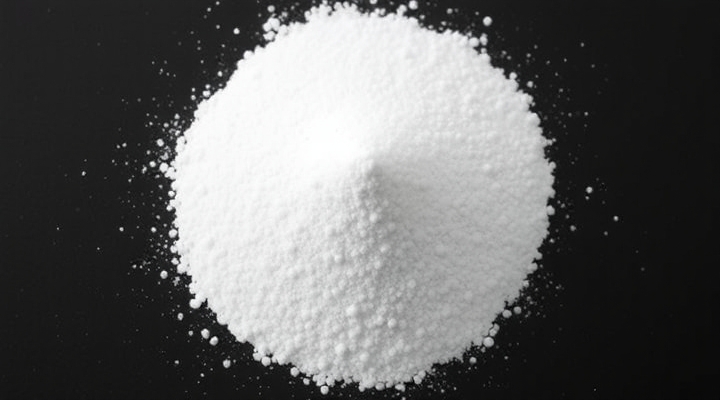
In the ever-evolving landscape of advanced materials, spherical alumina powder has emerged as a critical component across a multitude of high-performance applications. Renowned for its exceptional thermal conductivity, electrical insulation properties, and mechanical strength, this material is indispensable in industries ranging from electronics and aerospace to ceramics and refractories. Selecting the right spherical alumina powder is pivotal for optimizing product performance and achieving cost-effective manufacturing processes. This comprehensive guide explores the essential factors to consider when purchasing spherical alumina powder, providing in-depth insights to inform your decision-making process.
Understanding the Core Properties
Before delving into the selection criteria, it's crucial to understand the core properties that define spherical alumina powder's performance. These properties include particle size and distribution, purity levels, morphology, thermal and electrical characteristics, and surface modifications. A thorough comprehension of these attributes will enable you to align the material's capabilities with your specific application requirements effectively.
Particle Size and Distribution
Particle size significantly influences the behavior of spherical alumina powder in various applications. Finely controlled particle sizes, ranging from nano to micrometer scales, affect properties such as surface area, reactivity, and packing density. Uniform particle size distribution enhances the material's flowability and ensures consistent performance during processing. For instance, in thermal interface materials (TIMs), an optimal particle size distribution can maximize thermal conductivity while maintaining manageable viscosity levels.
Purity Levels
High purity is essential for applications that demand superior thermal and electrical insulation properties. Impurities can introduce defects, reduce dielectric strength, and adversely affect the material's thermal stability. Spherical alumina powder with a purity of 99.9% or higher is often required for high-end applications such as semiconductor manufacturing and advanced ceramics. Verifying the supplier's certification and quality control measures is critical to ensuring material purity.
Morphology
The spherical shape of the powder particles contributes to enhanced flowability and packing density, which are advantageous in processes like molding and 3D printing. Spherical morphology reduces friction between particles, facilitating smoother processing and uniform material distribution. This characteristic is particularly beneficial in applications requiring high thermal conductivity and minimal void content.
Thermal Conductivity
Spherical alumina powder is prized for its high thermal conductivity, making it an excellent filler material in composites designed for heat dissipation. The material's ability to transfer heat efficiently is vital in electronics, where it helps prevent overheating and enhances device longevity. Assessing the thermal conductivity specifications relative to your application's heat management requirements is essential for optimal performance.
Electrical Insulation
In addition to thermal properties, spherical alumina powder exhibits excellent electrical insulation characteristics. This dual functionality is beneficial in applications like insulating substrates and encapsulants in electronic components. Ensuring the powder maintains high dielectric strength and low dielectric loss is crucial for preserving signal integrity in electronic devices.
Application-Specific Factors
The specific application of spherical alumina powder significantly influences the selection criteria. Tailoring the material properties to match the demands of your particular industry and end-use is key to achieving desired outcomes.
Electronics and Thermal Management
In the electronics sector, thermal management is a critical concern due to increasing device miniaturization and power densities. Spherical alumina powder is utilized in TIMs, heat sinks, and as a filler in thermally conductive plastics. When selecting powder for these applications, consider factors such as:
Particle Size: Smaller particles offer higher surface area but may increase composite viscosity. Balancing particle size with processing capabilities is important.
Surface Treatment: Surface modifications can enhance compatibility with polymer matrices, improving dispersion and thermal pathways.
Heat Resistance: Ensure the powder maintains stability under operational temperatures to prevent degradation.
Empirical studies have shown that incorporating up to 70% by volume of spherical alumina powder into polymers can significantly improve thermal conductivity without compromising mechanical properties.
Ceramics and Refractory Materials
In advanced ceramics and refractories, spherical alumina powder contributes to enhanced mechanical strength, wear resistance, and thermal stability. Critical considerations include:
Sintering Behavior: Particle size and purity influence sintering temperature and densification rates.
Mechanical Properties: High-purity powder reduces the risk of defects, improving the toughness and longevity of ceramic components.
Thermal Shock Resistance: The material's ability to withstand rapid temperature changes without cracking is essential in high-temperature applications.
Selecting a powder with controlled particle size distribution and minimal impurities is critical for achieving the desired performance in ceramic products.
Aerospace and Automotive Industries
Spherical alumina powder is increasingly used in aerospace and automotive applications for lightweight, high-strength components that can withstand extreme conditions. Key factors to consider include:
Material Compatibility: Ensuring the powder integrates well with composite materials used in structural components.
Thermal Resistance: High thermal conductivity aids in dissipating heat generated by high-performance systems.
Regulatory Compliance: Materials must meet industry-specific standards for safety and performance.
The use of spherical alumina powder in these industries demands adherence to stringent quality and performance criteria to ensure reliability and safety.
Supplier Evaluation Criteria
Selecting a reputable supplier is as important as choosing the right material. A reliable supplier ensures consistent quality, compliance with specifications, and provides valuable technical support.
Quality Control and Certifications
Suppliers should adhere to internationally recognized quality management systems, such as ISO 9001. Certifications demonstrate a commitment to consistent quality and continuous improvement. Additionally, suppliers should provide detailed product specifications, material safety data sheets (MSDS), and certificates of analysis (COA) for each batch.
Technical Support and Customization
A supplier offering robust technical support can assist in optimizing material selection and troubleshooting processing challenges. Customization options, such as tailored particle sizes or surface treatments, can significantly enhance the material's compatibility with your application. Collaborative development with the supplier may lead to innovative solutions and competitive advantages.
Supply Chain Reliability
Consistent supply is critical for uninterrupted production. Evaluate the supplier's manufacturing capacity, inventory management, and logistics capabilities. Long-term partnerships with reliable suppliers can mitigate risks associated with supply chain disruptions.
Economic Considerations
Balancing performance requirements with cost is essential for sustainable business operations. Consider the following economic factors when purchasing spherical alumina powder.
Cost-Benefit Analysis
Higher-purity powders and specialized modifications often come at a premium. Conduct a cost-benefit analysis to determine if the enhanced properties justify the increased expense. In some cases, a less expensive alternative may suffice without significantly impacting performance.
Volume Discounts and Scalability
Purchasing in larger quantities may reduce the per-unit cost. However, consider storage requirements, shelf life, and potential obsolescence. Assess the scalability of your operations to ensure that bulk purchases align with production demands.
Total Cost of Ownership
Beyond the initial purchase price, consider factors such as processing efficiency, material yield, and waste management. A higher-quality powder that streamlines production and reduces defects may offer greater long-term savings despite a higher upfront cost.
Regulatory and Environmental Compliance
Compliance with regulatory standards is non-negotiable, ensuring product safety and market accessibility. Environmental considerations are also increasingly important in today's conscientious market.
Industry Standards
Ensure that the spherical alumina powder meets relevant industry standards and regulations, such as RoHS, REACH, or specific aerospace and automotive guidelines. Non-compliance can lead to legal ramifications and hinder market access.
Environmental Impact
Assess the environmental footprint of the powder's production. Sustainable manufacturing practices, such as waste reduction and energy efficiency, align with corporate social responsibility goals and may offer marketing advantages. Additionally, consider the recyclability or disposal requirements of the material.
Safety and Handling
Fine powders can pose health risks due to inhalation hazards. Ensure that suppliers provide comprehensive safety data and handling guidelines. Implement appropriate workplace safety measures, including personal protective equipment (PPE) and ventilation systems.
Technological Advancements and Future Trends
Staying abreast of technological advancements in spherical alumina powder can provide strategic advantages. Emerging trends may offer opportunities for innovation and improved performance.
Nanotechnology Integration
The development of nano-sized spherical alumina particles is expanding the material's potential. Nanoparticles offer significantly increased surface area, enhancing reactivity and enabling novel applications. For example, in catalysis or advanced coatings, nano-alumina can provide superior properties compared to conventional powders.
Additive Manufacturing Applications
Spherical powders are essential in additive manufacturing (3D printing) due to their flowability and packing characteristics. Spherical alumina powder is being explored for producing complex ceramic components with high precision and customized properties. Engaging with suppliers who specialize in powders for additive manufacturing can unlock new possibilities.
Surface Functionalization
Advancements in surface chemistry are enabling the development of powders with tailored functionalities. These modifications can improve compatibility with diverse matrices, introduce antimicrobial properties, or enhance stability under extreme conditions. Exploring these options can lead to innovative products and applications.
Case Studies and Practical Insights
Real-world examples illustrate the impact of selecting the appropriate spherical alumina powder. Consider the following case studies:
Enhancing Thermal Conductivity in Electronics
A manufacturer of high-power LEDs faced overheating issues affecting product reliability. By incorporating high-purity spherical alumina powder with optimized particle size into the TIMs, they achieved a fourfold increase in thermal conductivity. This solution extended the LEDs' lifespan and reduced warranty claims.
Improving Ceramic Component Durability
An aerospace company required ceramic components capable of withstanding extreme temperatures and mechanical stress. Switching to a spherical alumina powder with superior purity and controlled morphology resulted in components with 25% greater thermal shock resistance and reduced failure rates during operation.
Optimizing Additive Manufacturing Processes
A firm specializing in 3D-printed ceramics explored the use of spherical alumina powder to enhance print resolution and mechanical properties. The powder's flowability improved layer uniformity, and its controlled particle size reduced porosity in the final product. This led to components with higher structural integrity and expanded design possibilities.
Conclusion
Selecting the right spherical alumina powder involves a multifaceted evaluation of material properties, application requirements, supplier capabilities, and economic considerations. By thoroughly understanding factors such as particle size, purity, morphology, and technological advancements, you can make informed decisions that enhance product performance and competitiveness. Collaborating with reputable suppliers and staying attuned to industry trends ensures access to high-quality materials and innovative solutions. Ultimately, strategic selection and procurement of spherical alumina powder contribute significantly to the success and advancement of your products and applications.


