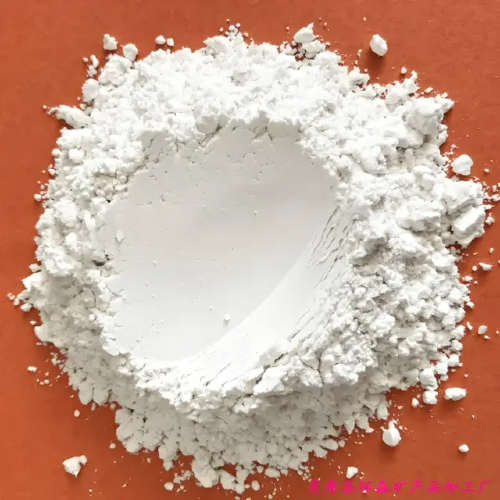
Ceramic powder is an essential material in the modern manufacturing industry, widely used in various fields due to its versatile properties. Produced from fine particles of inorganic compounds, it is a key component in several industrial processes. As an important supplier of high-performance ceramic powders, Jiangsu Shengtian New Materials Co., Ltd. plays a significant role in delivering top-notch materials for industries like electronics, aerospace, and construction. This article will explore the various uses of ceramic powder, the raw materials involved, and its relevance across different sectors.
1. Why Ceramic Powder Is Important
Ceramic powder is a finely ground material that is primarily used in manufacturing ceramics and other functional materials. As a crucial element in numerous industries, it provides solutions for everything from structural components to decorative pieces. It plays a fundamental role in advancing technology in sectors such as electronics, aerospace, automotive, and construction. Ceramic powders from Jiangsu Shengtian New Materials are precision-engineered to meet the rigorous demands of these applications. In this article, we’ll dive into the various uses of ceramic powder, emphasizing its impact on industrial, decorative, refractory, and advanced technological applications.
Ceramic powders are indispensable because they offer the necessary strength, stability, and heat resistance that is required for modern industrial applications. From ensuring the durability of critical aerospace components to providing the foundation for artistic creations, ceramic powders bridge the gap between functionality and creativity.
2. What Is Ceramic Powder Made Of?
Ceramic powder is typically composed of inorganic compounds like oxides, carbides, and nitrides. These compounds provide the material with unique characteristics, such as high thermal resistance, electrical insulation, and durability. Some of the most common compositions include:
Oxides: Alumina (Al₂O₃), zirconia (ZrO₂), and other oxide-based ceramics are used in high-performance applications due to their stability and resilience. These materials are often chosen for their high melting points, corrosion resistance, and electrical insulating properties.
Carbides: Silicon carbide (SiC) is known for its hardness and is often used in abrasives and refractory materials. This material is favored in applications where abrasion resistance and high-temperature performance are critical.
Nitrides: These ceramics, such as silicon nitride (Si₃N₄), are favored for their toughness and high-temperature capabilities. Nitrides are used in components that need to withstand extreme mechanical stress and heat.
The raw materials for these powders differ significantly based on the intended application. For advanced applications like electronics or aerospace, the materials need to be carefully controlled for purity and particle size to ensure optimal performance. Jiangsu Shengtian New Materials produces custom blends of ceramic powders tailored to meet specific performance requirements, whether for high-tech manufacturing or everyday products.
3. Industrial Uses of Ceramic Powder
Advanced Ceramics Manufacturing
In industrial applications, ceramic powder is used to produce advanced ceramics, which are integral to the development of high-performance components. These include electrical insulators, structural parts, and protective coatings in machinery. The fine particle size and purity of ceramic powders are critical for ensuring the mechanical strength and durability of the final product.
Ceramic powders are used in:
Electrical insulators for circuits and power transmission.
Structural components like gears and turbine blades, which require high wear resistance and thermal stability.
Protective coatings for devices exposed to extreme environments.
The ability to produce intricate shapes and parts with precision makes ceramic powders indispensable in industries where durability and functionality are paramount.
Refractories and Heat-Resistant Components
Ceramic powder plays a vital role in the production of refractories, which are materials designed to withstand high temperatures without degrading. These materials are used in furnaces, kilns, and metal processing. Ceramic powders such as alumina and zirconia provide excellent thermal resistance, ensuring that components can maintain their integrity in extreme heat.
Applications include:
Kiln linings for industrial furnaces.
Heat shields in aerospace engineering.
Metal casting and smelting.
These heat-resistant properties make ceramic powders essential in industries dealing with extreme temperatures, where material failure could lead to expensive downtime or even catastrophic failure.
Additive Manufacturing
Additive manufacturing, particularly 3D printing, has become a groundbreaking method for creating complex ceramic parts. Ceramic powders are used as the primary material in 3D printing to produce intricate shapes that are often impossible to achieve with traditional manufacturing methods. These powders enable the creation of parts with high precision, making them suitable for industries such as aerospace, medicine, and automotive. Jiangsu Shengtian’s ceramic powders are designed for use in advanced 3D printing technologies, ensuring high quality and functionality.
With the increasing popularity of 3D printing, industries are able to produce custom-made components with reduced material waste, higher precision, and the ability to meet specific design criteria.
4. Functional Uses in Coatings and Engineering
Thermal Barrier Coatings in Turbines and Engines
Ceramic powders are widely used in the production of thermal barrier coatings (TBCs) for turbines, jet engines, and other high-performance machinery. These coatings protect sensitive components from the extreme heat generated during operation, improving their longevity and efficiency. Zirconia-based ceramic powders are commonly used for these coatings due to their excellent thermal insulating properties.
The use of ceramic powder in this application helps improve the efficiency of turbines and jet engines, reducing fuel consumption and extending the lifespan of key components.
Abrasives and Polishing Materials
Ceramic powders, particularly silicon carbide and alumina, are essential in the manufacturing of abrasives and polishing agents. These powders are used for precision grinding and polishing of metal, stone, and other materials. The hardness of ceramic powders allows for effective material removal, making them ideal for applications that require high precision and smooth finishes.
Ceramic abrasives are used extensively in industries where surface finish and precision are critical, such as in the automotive, aerospace, and electronics sectors.
Catalysts and Chemical Processing
Ceramic powders are also used in the production of catalysts for chemical processes. These powders provide a stable surface for reactions to occur, particularly in processes like petroleum refining, environmental protection, and chemical production. The use of ceramic materials helps improve the efficiency and longevity of catalysts, which are crucial for industrial chemical reactions.
With their high thermal stability and resistance to corrosion, ceramic powders provide reliable and efficient solutions in the field of catalysis.
5. Decorative & Craft Uses
Ceramic Powder for Artistic Glazes and Pottery Finishes
In addition to industrial applications, ceramic powder is extensively used in the artistic world, particularly for creating vibrant glazes and finishes for pottery, tiles, and other decorative ceramics. By mixing different ceramic powders with colorants and binders, artists can achieve a variety of textures and finishes that enhance the visual appeal of their works. Jiangsu Shengtian provides high-quality decorative ceramic powders that are perfect for artists seeking premium materials to achieve superior finishes.
Whether you’re a ceramic artist or a manufacturer of ceramic products, the versatility of ceramic powders allows for limitless creative expression.
Color Pigments and Texture Customization
Decorative ceramic powders are also used to create pigments for coloring ceramics and tiles. These pigments are available in a wide range of colors and can be customized to meet specific requirements. The powders are ground finely to ensure even color distribution and vibrant results. These powders can also be used to add textures to surfaces, creating a more dynamic aesthetic.
With the ability to adjust the particle size and composition, ceramic powders can be tailored to achieve unique textures and colors, making them ideal for both functional and artistic applications.
6. Summary of Key Uses & Future Trends
Ceramic powder has a vast array of uses across multiple industries, from aerospace to art. Its versatility lies in its ability to withstand high temperatures, provide insulation, and deliver strength in both industrial and decorative applications. Looking ahead, the demand for advanced materials such as nano ceramics and composite powders is expected to rise. As industries continue to innovate, the role of ceramic powders in high-tech applications will only grow, particularly in fields like 3D printing and advanced coatings.
Application Area | Ceramic Powder Properties | Key Benefits |
Electrical Components | High insulation, heat resistance | Reliability in electronic devices |
Aerospace | Low thermal conductivity, high strength | Durability in high-pressure environments |
Refractories | Heat-resistant, abrasion-resistant | Performance in high-temperature operations |
Decorative Ceramics | Versatile colors, fine texture options | Artistic and functional finishes |
3D Printing | Precision in particle size and uniformity | Creation of intricate designs |
Conclusion
Ceramic powder is a critical material with applications spanning from everyday products to cutting-edge technologies. Whether used in industrial manufacturing, decorative artistry, or as a heat-resistant component, ceramic powder has proven itself as an indispensable resource. Jiangsu Shengtian New Materials Co., Ltd. is proud to offer precision-engineered ceramic powders to meet the diverse needs of industries worldwide. If you are looking for high-performance ceramic materials, contact us to learn more about our products and how they can benefit your applications.
FAQ
What is ceramic powder used for in manufacturing?
Ceramic powder is used in the production of electrical insulators, heat-resistant components, 3D printed parts, and more. Its versatility makes it suitable for a range of industries including aerospace, electronics, and automotive.
Can ceramic powder be used for artistic purposes?
Yes, ceramic powder is widely used in artistic glazes, tiles, and pottery finishes. It can be customized to create vibrant colors and textures, making it a popular choice for artists.
What materials are ceramic powders made from?
Ceramic powders are primarily made from oxides like alumina and zirconia, carbides like silicon carbide, and nitrides like silicon nitride. These materials are chosen for their durability, thermal resistance, and electrical properties.
Is ceramic powder flammable?
No, ceramic powders are typically non-flammable due to their inorganic nature. However, dust from ceramic powders can be a hazard, so proper handling and safety measures are necessary.


