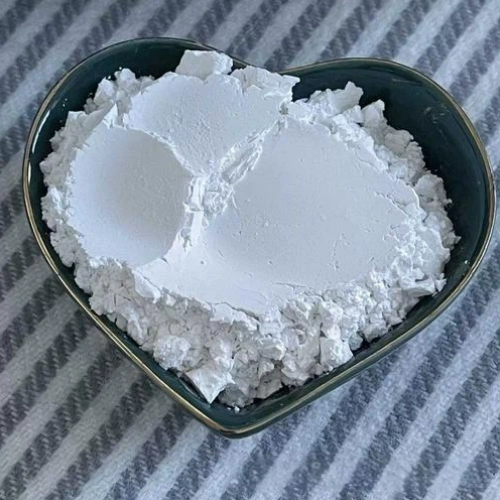
When working with industrial materials, it’s common to encounter a variety of powders, each with specific properties and uses. Two such materials often discussed are gypsum powder and ceramic powder. While both are powders, they serve very different functions in the industrial and construction sectors. As a leading producer of ceramic powder, Jiangsu Shengtian New Materials Co., Ltd. provides high-performance materials for industries such as electronics, aerospace, and construction. In this article, we will explore the key differences between gypsum powder and ceramic powder, examining their compositions, properties, applications, and why they are not interchangeable.
1. Clarifying Common Powder Materials
Gypsum and ceramic powders are often confused, mainly due to their appearance as fine, white powders and their widespread use in construction and industrial processes. However, these two materials have vastly different compositions and applications. Understanding the differences between them can help manufacturers, contractors, and artists choose the right material for their specific needs. This article will clear up this common confusion by providing a detailed comparison of gypsum powder and ceramic powder, explaining their unique characteristics, uses, and properties. By the end of this article, you’ll have a clearer understanding of why these two materials should not be used interchangeably.
While gypsum powder is commonly used in the construction industry for molding and wall finishing, ceramic powder is an advanced material used in high-performance applications such as electronics, aerospace, and machinery. Both powders are essential, but they excel in different areas due to their inherent properties.
2. What Gypsum Powder Is
Composition: Calcium Sulfate Dihydrate
Gypsum powder is primarily made up of calcium sulfate dihydrate (CaSO₄·2H₂O), a naturally occurring mineral. It is derived from gypsum rock, which is abundant in sedimentary deposits. The chemical structure of gypsum consists of calcium, sulfur, and water molecules, making it a hydrated salt.
When gypsum powder is heated, it releases water and transforms into plaster of Paris, a substance used for molding and casting. This transformation is key to its widespread use in the construction and manufacturing industries.
Main Uses: Construction Plasters, Casting Molds
Gypsum powder is most commonly used in the production of construction materials like plaster, wallboard, and tiles. In addition, it is used in creating casting molds for sculptures and other decorative elements, as it is easy to work with and sets quickly. Some of the most notable uses of gypsum powder include:
Plaster: Used for wall finishes, ceilings, and decorative elements.
Wallboard: Also known as drywall, it is used extensively in residential and commercial construction.
Molding and Casting: In artistic and industrial applications for creating detailed molds and sculptures.
Gypsum’s ability to set quickly and its versatility in construction applications make it an essential material in the building industry.
3. What Ceramic Powder Is
Composition Range of Ceramic Powders (Oxides, Carbides)
Ceramic powders are made from a variety of inorganic compounds, including oxides (such as alumina and zirconia), carbides (such as silicon carbide), and nitrides (such as silicon nitride). These materials are selected for their high temperature resistance, hardness, and electrical insulating properties, which are essential in a range of industrial and technical applications. The composition of ceramic powders can vary greatly depending on the desired properties, with each type of powder having its own unique advantages.
Oxides: Alumina (Al₂O₃) and zirconia (ZrO₂) are commonly used for their stability, heat resistance, and electrical insulating properties. These materials are often used in industries such as electronics, aerospace, and automotive manufacturing.
Carbides: Silicon carbide (SiC) is known for its hardness and is often used in cutting tools, abrasives, and refractories.
Nitrides: Silicon nitride (Si₃N₄) is a ceramic material known for its toughness and ability to withstand extreme mechanical stress and high temperatures.
Each type of ceramic powder serves specific purposes, such as thermal barrier coatings, electrical insulators, or abrasive materials.
Functional vs. Decorative Ceramic Applications
Ceramic powders are not just limited to industrial applications; they also serve important roles in the art and decorative industries. In addition to their structural uses, ceramic powders are essential in creating:
Decorative ceramics: Pottery, tiles, and other art forms.
Functional ceramics: Insulators, wear-resistant parts, and thermal coatings in high-tech industries.
The flexibility in composition allows ceramic powders to be tailored for both functional and decorative purposes, making them versatile materials for various sectors.
4. Key Differences in Properties
While both gypsum and ceramic powders are used in construction and artistic applications, they exhibit significantly different properties due to their distinct chemical compositions.
Heat Resistance, Mechanical Strength, Durability
One of the key differences between gypsum and ceramic powder is their heat resistance and mechanical strength. Ceramic powders, particularly those made from materials like alumina and zirconia, offer exceptional resistance to high temperatures and are highly durable. These properties make them ideal for use in high-temperature environments such as furnaces, turbines, and metal processing industries.
On the other hand, gypsum powder is not designed for high-temperature applications and is more brittle in nature. It is primarily used for construction purposes where thermal resistance is not critical.
Gypsum Brittleness vs. Ceramic Thermal Tolerance
While gypsum powder is easy to shape and mold, it lacks the thermal tolerance of ceramic materials. When subjected to high temperatures, gypsum begins to degrade, making it unsuitable for use in applications where heat resistance is necessary.
In contrast, ceramic powders are engineered to withstand extreme temperatures, making them perfect for use in industries that require materials to perform in challenging environments.
5. Applications Where They Are Not Interchangeable
Given the differences in properties, gypsum powder and ceramic powder are not interchangeable in most applications.
Electric/Electronic Components, High-Temp Refractories: Ceramic
Ceramic powders are ideal for use in electrical components, high-temperature refractories, and thermal barrier coatings due to their superior heat resistance and mechanical strength. Jiangsu Shengtian New Materials Co., Ltd. specializes in producing high-performance ceramic powders that can be used in applications such as electronic devices, aerospace components, and furnace linings.
Wall Finishing, Molds: Gypsum
In contrast, gypsum powder is best suited for applications where heat resistance is not required. It is used extensively in wall finishing, drywall, and casting molds. Gypsum’s quick-setting properties make it ideal for applications in construction and art, where intricate details and molding capabilities are essential.
6. How to Identify Which Powder You Need
When choosing between gypsum powder and ceramic powder, the decision ultimately comes down to the specific requirements of your application. Here’s a guide to help you choose the right powder:
Requirement | Gypsum Powder | Ceramic Powder |
Temperature Resistance | Low | High |
Mechanical Strength | Low | High |
Ease of Molding | Easy | Moderate |
Application | Wall finishing, molding | Electronics, aerospace, refractories |
Setting Time | Quick | Slow (requires sintering) |
Temperature Requirements: If your project involves high temperatures, ceramic powder is the ideal choice. It can withstand extreme heat and is perfect for high-tech and industrial applications.
Mechanical Load: If you need a material that can handle mechanical stress and wear, ceramic powder provides the necessary strength and durability.
Finish: For decorative projects, where a smooth finish and the ability to mold intricate details are essential, gypsum powder is the better choice.
By understanding these key factors, you can make an informed decision about which powder best suits your needs.
Conclusion
While both gypsum powder and ceramic powder are essential materials in various industries, they are fundamentally different in their composition, properties, and uses. Gypsum powder is ideal for construction, wall finishing, and casting molds, while ceramic powder excels in high-performance applications requiring heat resistance, strength, and durability. Jiangsu Shengtian New Materials Co., Ltd. provides high-quality ceramic powders tailored for industries like electronics, aerospace, and construction. If you’re looking for reliable, high-performance ceramic materials, contact us today to explore our range of products and find the perfect solution for your needs.
FAQ
What are the main differences between gypsum and ceramic powder?
Gypsum powder is mainly used for construction and mold-making, while ceramic powder is used for high-performance applications requiring heat resistance and mechanical strength.
Can ceramic powder be used for wall finishing?
No, ceramic powder is not suitable for wall finishing. Gypsum powder is the preferred material for applications like drywall and wall plasters.
What industries use ceramic powders?
Ceramic powders are used in industries such as aerospace, electronics, automotive, and materials processing, where high-temperature resistance and durability are essential.
How do I choose between gypsum and ceramic powder?
The choice depends on your application. Gypsum powder is best for decorative and construction uses, while ceramic powder is ideal for high-tech and industrial applications that require heat resistance and mechanical strength.


