Introduction
In the realm of traffic safety, the visibility of road markings plays a pivotal role in guiding drivers and reducing accidents. Among the various materials used to enhance the visibility of these markings, Reflective Glass Powder has emerged as a critical component. This innovative material significantly improves the luminance and durability of road markings, thereby contributing to safer driving conditions, especially during nighttime and adverse weather conditions.
Reflective Glass Powder is engineered to enhance retroreflectivity, which is the ability of a surface to reflect light back to its source. This characteristic is essential for road markings as it ensures that the markings are visible to drivers under various lighting conditions. Understanding the science behind Reflective Glass Powder and its application in traffic marking is crucial for transportation authorities and road safety professionals seeking to implement effective safety measures.
The Science of Retroreflectivity
Retroreflectivity is a phenomenon where light rays are returned in the direction from which they originated. This is achieved through materials that have microscopic glass beads or crystals, such as Reflective Glass Powder. When applied to road markings, these materials ensure that light from vehicle headlights is reflected back to the driver, enhancing night-time visibility. This property is not only vital for driver safety but also for pedestrian and cyclist visibility on roadways.
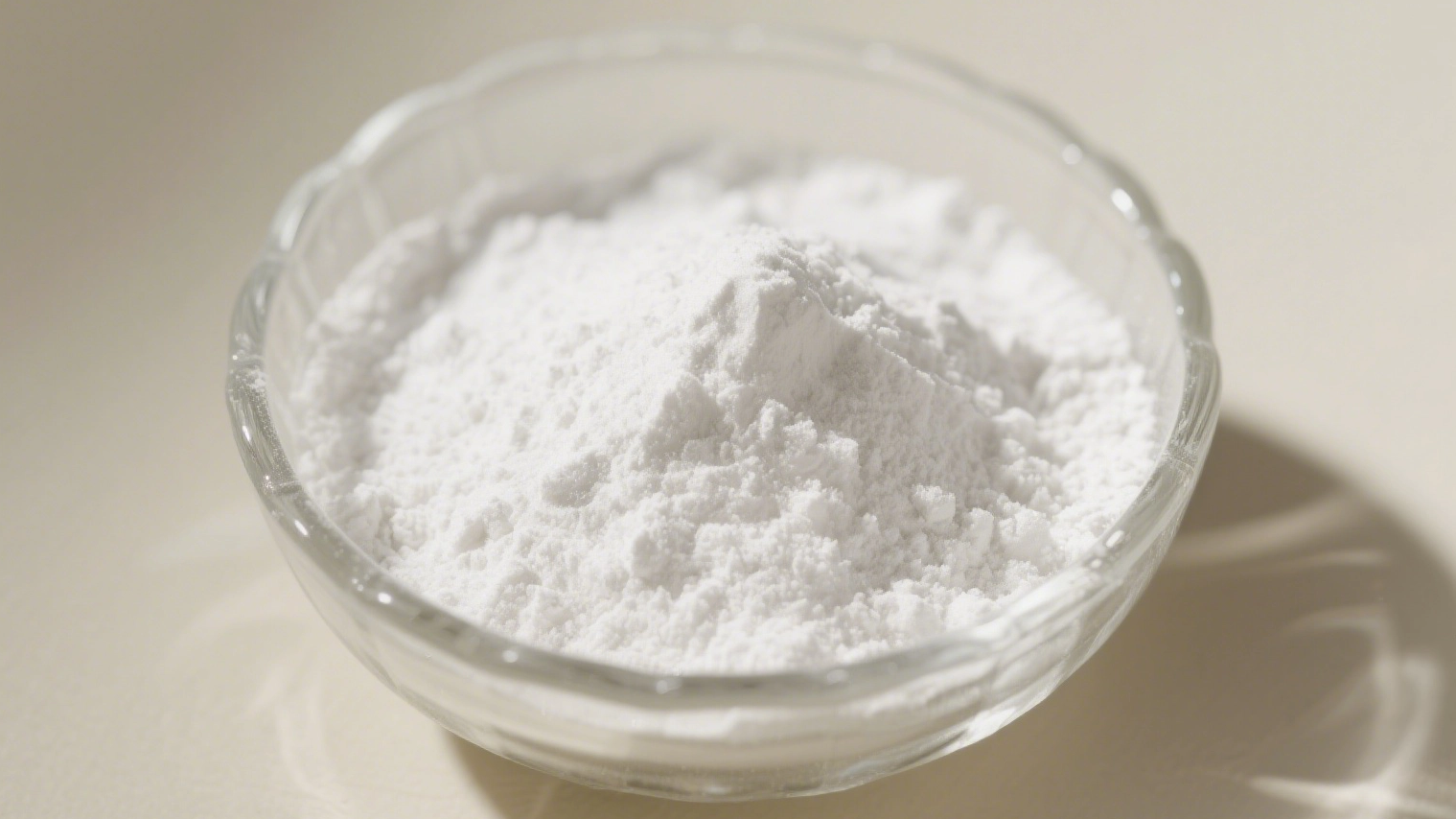
Reflective Glass Powder consists of finely ground glass particles that possess high refractive indices. The high refractive index is essential as it determines the efficiency with which the glass particles can direct light back to its source. Studies have shown that the incorporation of Reflective Glass Powder into traffic markings can increase visibility distances for drivers by up to 100%, significantly reducing reaction times and the likelihood of accidents.
Enhancement of Road Markings Durability
Beyond enhancing visibility, Reflective Glass Powder also contributes to the durability of road markings. The glass particles provide a hard-wearing surface that resists abrasion from traffic wear and environmental factors. This durability ensures that the reflective properties of the markings are retained over time, reducing the need for frequent maintenance and reapplication.
In a study conducted by transportation agencies, road markings infused with Reflective Glass Powder maintained over 80% of their initial retroreflectivity after two years of heavy traffic exposure. This longevity not only ensures continuous safety benefits but also translates to cost savings for infrastructure maintenance budgets.
Impact on Night-Time Driving Safety
Night-time driving presents unique challenges due to reduced visibility. The risk of accidents increases significantly after dusk, with statistics indicating that approximately 50% of traffic fatalities occur at night, despite lower traffic volumes. Reflective Glass Powder in road markings mitigates this risk by providing clear lane delineation and navigation cues to drivers.
The enhanced brightness of markings with Reflective Glass Powder improves driver confidence and reduces fatigue. Drivers are better able to anticipate road conditions and make timely decisions. This is particularly important in rural or poorly lit areas where street lighting is minimal or absent.
Performance in Adverse Weather Conditions
Adverse weather conditions such as rain, fog, and snow can severely impair visibility. Reflective Glass Powder remains effective under these conditions due to its ability to maintain retroreflectivity even when wet. The glass particles protrude slightly above the water film on the road surface, allowing them to continue reflecting light back to drivers.
Research shows that standard road markings lose up to 70% of their reflectivity when wet, whereas markings containing Reflective Glass Powder retain a much higher percentage of their reflective capabilities. This feature is critical in regions prone to frequent precipitation and can significantly enhance safety during inclement weather.
Application Techniques and Best Practices
The effectiveness of Reflective Glass Powder in road markings is influenced by the application techniques used. Proper application ensures optimal retroreflectivity and durability. The glass powder can be applied using various methods, including drop-on techniques where the powder is sprinkled onto wet paint or incorporated directly into the marking material.
Best practices involve ensuring even distribution of the powder and sufficient embedding of the particles to prevent premature loss. The size and gradation of the glass particles are also critical factors. Selecting the appropriate particle size can enhance the reflective performance and longevity of the markings.
Quality Standards and Regulations
Adherence to quality standards is essential when selecting Reflective Glass Powder for traffic markings. Standards such as those set by the American Society for Testing and Materials (ASTM) specify requirements for particle size distribution, refractive index, and chemical composition. Compliance with these standards ensures that the materials will perform as expected in real-world conditions.
Regulatory bodies often mandate minimum levels of retroreflectivity for road markings. Using high-quality Reflective Glass Powder helps meet and exceed these requirements, thereby enhancing roadway safety and compliance with transportation guidelines.
Advancements in Reflective Material Technology
The field of reflective materials is continually evolving, with ongoing research focused on improving performance and sustainability. Recent advancements include the development of ultra-high refractive index glass powders and the incorporation of nanotechnology to enhance reflective properties.
Moreover, innovations in manufacturing processes have led to more consistent and efficient production of Reflective Glass Powder. These advancements result in materials that not only perform better but are also more cost-effective for widespread implementation.
Integration with Smart Road Technologies
Reflective Glass Powder plays a role in the development of smart road technologies. Enhanced road markings are integral to autonomous vehicle navigation systems, which rely on clear lane delineations. The improved visibility provided by reflective materials supports the sensors and cameras used in these systems, facilitating safer autonomous driving.
Additionally, integrating reflective materials with other technologies such as embedded LEDs or advanced paints can further enhance road safety. These combinations can create dynamic markings that adapt to traffic conditions, weather, or road hazards.
Challenges and Considerations
While the benefits of Reflective Glass Powder are clear, there are challenges associated with its use. The initial cost of materials can be higher than standard road marking compounds. However, this is often offset by the extended lifespan and reduced maintenance requirements.
Another consideration is the environmental impact of the materials used. Ensuring that the glass powder is sourced from recycled materials can mitigate environmental concerns. Additionally, proper handling and application are necessary to prevent health hazards associated with fine particulate matter.
Conclusion
The incorporation of Reflective Glass Powder in traffic marking applications significantly enhances road safety. By improving the visibility and durability of road markings, it contributes to reduced accidents and improved traffic flow. The benefits are particularly pronounced during night-time and adverse weather conditions, where visibility is compromised.
Advancements in material technology and application methods continue to improve the effectiveness of Reflective Glass Powder. As transportation infrastructure evolves, incorporating such materials will be essential in creating safer and more efficient roadways. Stakeholders in the transportation sector should consider the long-term safety and economic advantages of utilizing high-quality reflective materials in their road marking strategies.


