Introduction
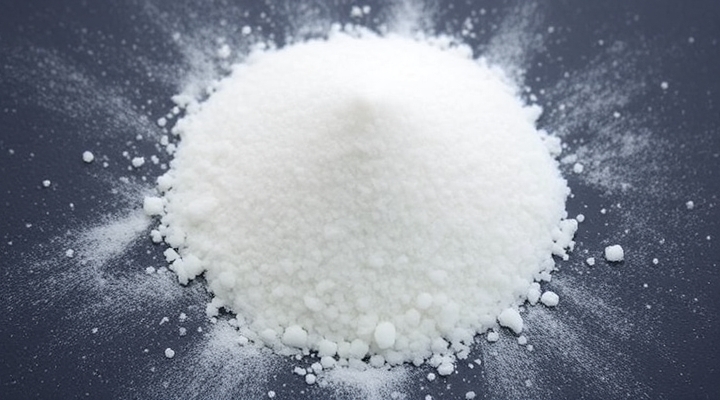
In the realm of high-temperature applications, material selection plays a pivotal role in determining performance and longevity. Among the myriad materials available, Fused Silica Powder stands out due to its exceptional thermal and mechanical properties. This material has garnered significant attention in industries ranging from aerospace to electronics, where high-temperature resilience is paramount. This article delves into the unique characteristics of fused silica powder and explores how it enhances the performance of high-temperature applications.
Properties of Fused Silica Powder
Fused silica powder is synthesized by melting high-purity silica sand in an electric arc furnace, followed by rapid cooling. This process results in a non-crystalline (amorphous) structure, which imparts unique properties to the material. One of the most notable characteristics is its extremely low thermal expansion coefficient, which is approximately 0.55 x 10⁻⁶/°C. This property ensures dimensional stability even under rapid temperature fluctuations.
Moreover, fused silica powder exhibits exceptional thermal shock resistance. It can withstand sudden temperature changes without cracking or deforming, making it ideal for applications where materials are subjected to extreme thermal cycling. Its high softening point, around 1665°C, allows it to maintain structural integrity at temperatures where other materials might fail.
Enhancement of Mechanical Strength
In high-temperature environments, mechanical strength is crucial. Fused silica powder contributes to enhanced mechanical properties when incorporated into composites or coatings. Its high hardness and abrasion resistance protect underlying materials from wear and mechanical degradation.
Studies have shown that adding fused silica powder to refractory materials increases their modulus of rupture and compressive strength. For instance, in ceramic composites, the inclusion of fused silica particles improves toughness by impeding crack propagation. This reinforcement mechanism is vital in extending the service life of components exposed to mechanical stress at elevated temperatures.
Electrical Insulation at Elevated Temperatures
High-temperature applications in electronics require materials that not only withstand heat but also provide reliable electrical insulation. Fused silica powder possesses excellent dielectric properties, with a low dielectric constant and loss factor. These characteristics remain stable across a wide temperature range, ensuring consistent performance in insulating components like substrates and insulators in high-power devices.
Furthermore, its high resistivity minimizes leakage currents, which is essential in preventing short circuits and ensuring the safety and efficiency of electronic systems operating under thermal stress.
Chemical Stability and Corrosion Resistance
In high-temperature processes, materials are often exposed to corrosive environments. Fused silica powder exhibits remarkable chemical inertness, resisting reactions with most acids, metals, and gases. This stability prevents material degradation, which is a common issue leading to failure in high-temperature applications.
For instance, in metallurgical processes, fused silica linings resist corrosion from molten metals and slags. This property reduces contamination risks and extends the operational lifespan of industrial equipment, thereby enhancing overall efficiency.
Applications in Casting and Refractories
The casting industry extensively uses fused silica powder in investment casting molds due to its precision and stability at high temperatures. The low thermal expansion minimizes dimensional changes, allowing for the production of components with tight tolerances.
In refractory applications, fused silica powder is a key ingredient in the manufacture of materials that line kilns, furnaces, and reactors. Its ability to withstand thermal shock and chemical attack makes it indispensable in processes operating at temperatures exceeding 1000°C.
Enhancing Thermal Insulation
Effective thermal insulation is essential in high-temperature operations to conserve energy and protect equipment. Fused silica powder's low thermal conductivity makes it an excellent insulating material. When used in insulation products, it reduces heat transfer, leading to energy savings and improved process control.
Aerogels and thermal barrier coatings incorporating fused silica powder benefit from its insulating properties. These materials are critical in aerospace applications, where weight and thermal management are major considerations.
Role in High-Temperature Sealants and Adhesives
Sealants and adhesives used in high-temperature environments require fillers that can maintain performance under heat stress. Fused silica powder improves the thermal stability of these products, preventing degradation and failure at elevated temperatures.
The powder's compatibility with various resin systems allows for the formulation of adhesives with specific properties tailored for applications in automotive engines, turbines, and industrial machinery, where components experience intense heat.
Improving Durability in Protective Coatings
Protective coatings enriched with fused silica powder offer enhanced durability against thermal degradation and wear. These coatings shield substrates from high temperatures, oxidation, and corrosion, thereby prolonging the lifespan of the components.
For example, in industrial pipelines and exhaust systems, such coatings prevent material erosion and reduce maintenance costs. The inclusion of fused silica ensures that the coatings remain intact and functional even under cyclic thermal loads.
Case Studies and Industrial Implementation
Several industries have reported significant performance improvements after integrating fused silica powder into their high-temperature applications. In the glass manufacturing sector, furnace linings composed of fused silica have demonstrated prolonged service lives and reduced downtime.
Similarly, in the semiconductor industry, equipment components made with fused silica powder exhibit high purity and prevent contamination during wafer processing. This purity is crucial in achieving the desired electrical properties in semiconductor devices.
Environmental and Economic Benefits
Using fused silica powder not only enhances performance but also offers environmental and economic advantages. Its longevity and durability reduce the frequency of replacements, leading to lower material consumption and waste generation.
Economically, industries benefit from decreased maintenance costs and improved energy efficiency. The insulation properties of fused silica powder contribute to energy conservation, aligning with global efforts to reduce energy consumption and greenhouse gas emissions.
Advancements in Fused Silica Powder Technology
Ongoing research focuses on improving the production and application methods of fused silica powder. Nanotechnology advancements have enabled the development of nanoscale fused silica particles, which offer enhanced properties due to their high surface area-to-volume ratio.
These advancements have opened new avenues in high-temperature coatings and composites, where improved bonding and dispersion of particles lead to superior material performance. Researchers are also exploring surface modifications to enhance compatibility with different matrix materials.
Challenges and Considerations
While fused silica powder offers numerous benefits, challenges exist in its application. The high cost of production due to energy-intensive processes can be a barrier for some industries. Additionally, handling ultrafine powders requires careful attention to occupational health and safety to prevent inhalation and associated health risks.
Mitigating these challenges involves developing more energy-efficient manufacturing processes and implementing strict safety protocols during handling and processing. Recycling and recovery of fused silica materials are also areas of active research to improve sustainability.
Future Outlook of Fused Silica Powder Applications
The demand for materials that can withstand extreme conditions is expected to grow, driven by advancements in technology and industry. Fused silica powder is poised to play a crucial role in this landscape, especially as industries seek materials that offer both performance and sustainability.
Emerging applications, such as in renewable energy technologies like concentrated solar power and advanced nuclear reactors, require materials that can operate reliably at high temperatures. The unique properties of fused silica powder position it as a material of choice for these cutting-edge applications.
Conclusion
Fused silica powder significantly enhances the performance of materials and components in high-temperature applications. Its exceptional thermal stability, mechanical strength, and chemical inertness make it invaluable across various industries. By addressing the challenges and continuing research into improved manufacturing and application methods, the benefits of fused silica powder can be fully realized.
As industries advance and the demands on materials increase, the role of Fused Silica Powder is set to become even more prominent. Its contribution to performance enhancement not only meets current industrial needs but also aligns with future technological developments focused on efficiency, reliability, and sustainability.


