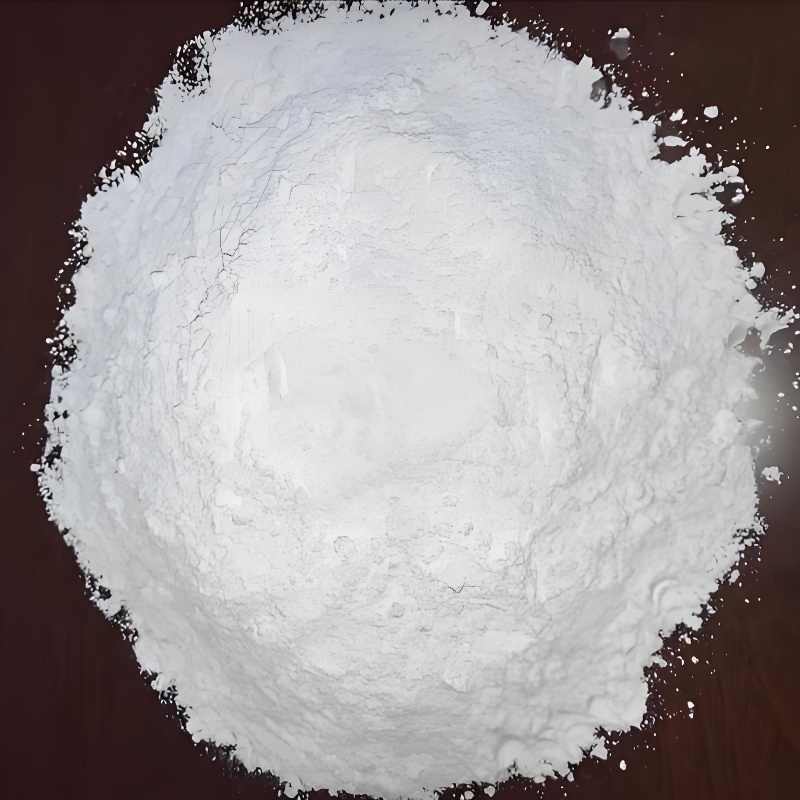
Modern manufacturing constantly demands higher efficiency. Engineers face a relentless challenge when balancing material removal rates against abrasive lifespan. High-intensity grinding environments also require aggressive thermal management to prevent severe metallurgical damage. Standard conventional grains often fail under these extreme operational pressures. They dull rapidly and transfer excessive heat directly into the workpiece.
Enter ceramic alumina powder abrasives. This highly engineered micro-crystalline structure enables continuous self-sharpening during rigorous machining cycles. These distinct grains separate themselves from standard fused materials. They actively shed dull edges at the microscopic level instead of wearing down smoothly. This unique mechanism extends tool life while sustaining high cut rates.
This technical and commercial evaluation guide helps engineering and procurement teams navigate critical material transitions. You will discover if adopting these premium grains justifies the initial investment for your specific tooling and finishing applications. We explore mechanical properties, compare alternative materials, and provide clear sourcing strategies to optimize your operational outcomes.
Key Takeaways
Performance Mechanism: Ceramic alumina fractures at the micro-level under stress, constantly exposing fresh, sharp cutting edges rather than dulling (macro-fracturing).
Cost vs. ROI: While carrying a higher upfront cost than standard aluminum oxide, ceramic grains reduce changeover downtime and increase overall throughput in high-pressure applications.
Application Specificity: Optimal for heavy stock removal, aerospace alloys, and high-heat environments; suboptimal for low-pressure applications where the grain will glaze rather than fracture.
Sourcing Criteria: Procurement must evaluate micro-structure uniformity, grit size distribution, and specific bonding treatments when selecting an alumina abrasive powder supplier.
The Mechanics and Business Case for Ceramic Alumina
High-volume manufacturing reveals the absolute limits of conventional abrasive grains. Operators apply higher feed rates to meet strict production quotas. Traditional abrasives suffer from rapid dulling and thermal degradation under these extreme forces. Friction increases exponentially as cutting edges flatten. Heat transfers directly into the sensitive workpiece. This thermal shock causes severe metallurgical damage. We commonly call these defects metallurgical burns. Scrap rates rise accordingly. Labor costs inflate due to frequent wheel dressing and continuous tool replacements.
The ceramic solution relies on advanced chemistry. Manufacturers use a specialized sol-gel process to create these high-performance grains. They disperse an aluminum oxide precursor into a colloidal suspension. The mixture forms a gel. Drying and sintering follow. This sequence produces a highly engineered sub-micron crystalline structure. Millions of microscopic crystals form a single abrasive grain. These tiny crystals define the physical behavior of the entire structure.
Continuous micro-fracturing defines this material. Traditional grains break in large chunks. We call this macro-fracturing. Sol-gel grains behave entirely differently. Microscopic crystals break off when subjected to targeted mechanical stress. This action continuously exposes fresh, sharp cutting edges. The grain sharpens itself automatically during the grinding cycle.
The business outcomes translate directly into measurable financial success. Operators experience significantly lower tooling costs per part produced. Spindle uptime increases because dressing intervals stretch out considerably. Workpieces suffer far less thermal damage. Tools stay sharp longer. The initial material premium pays for itself through raw productivity gains. Throughput jumps sharply when operators no longer stop machines to replace worn belts or dress glazed wheels.
Ceramic Grinding Material vs. Traditional Alternatives
Selecting the correct abrasive dictates the success of any grinding operation. You must map the material properties to your specific application requirements. Comparing this ceramic grinding material against traditional options reveals clear operational boundaries. Each grain type serves a distinct industrial purpose.
Standard Aluminum Oxide
Standard brown or white fused aluminum oxide features a blocky, monolithic structure. These grains dull quickly under heavy pressure. They rely entirely on macro-fracturing to expose new edges. A large piece of the grain breaks off, or the grain rips completely out of the bond.
Verdict: You should select standard aluminum oxide for general-purpose applications. It excels on low-tensile materials. It also fits perfectly within budget-constrained, low-volume production runs where premium abrasives offer no measurable return.
Zirconia Alumina
Zirconia alumina provides a tough, durable alternative. Manufacturers fuse zirconium oxide and aluminum oxide together. The resulting grain is much tougher than standard oxide. It requires moderate to high operational pressure to function correctly. It offers self-sharpening capabilities, but the fracture planes remain much larger than those found in sol-gel ceramics.
Verdict: Zirconia represents the ultimate middle-ground choice. You use it for aggressive grinding tasks where extreme ceramic costs simply cannot be justified by the production volume.
Ceramic Alumina
Ceramic grains offer the highest toughness and the highest cut rate available in the oxide family. The sol-gel process guarantees uniform micro-fracturing. The grain breaks down in tiny increments. It maintains an incredibly aggressive cut throughout its entire life cycle. It resists heat build-up exceptionally well.
Verdict: This remains the definitive choice for difficult-to-machine alloys. Engineers specify it for Inconel, hardened tool steels, and titanium. It dominates high-pressure, automated grinding operations.
Abrasive Grain Comparison Chart
Abrasive Type
Fracture Mechanism
Toughness / Durability
Ideal Machine Pressure
Primary Target Materials
Standard Aluminum Oxide
Macro-fracturing
Low to Moderate
Low to Medium
Carbon steel, mild steel, wood
Zirconia Alumina
Medium-fracturing
High
Medium to High
Stainless steel, cast iron
Ceramic Alumina
Micro-fracturing
Very High
Very High
Inconel, titanium, aerospace alloys
Core Evaluation Dimensions for Alumina Abrasive Powder
Engineering teams must evaluate several technical dimensions before approving a supplier. Sourcing the optimal alumina abrasive powder requires looking beyond basic price sheets. You must analyze the microstructure, grading consistency, and chemical purity. These factors directly dictate how the final abrasive tool will perform on your factory floor.
Purity and Phase Composition: You must strictly assess the alpha-alumina content. The sintering process converts transitional phases into a stable alpha phase. Higher alpha-alumina purity directly correlates with superior hardness. It also ensures excellent thermal stability during high-speed grinding. Impurities lower the melting point and compromise the grain structure.
Grit Size and Particle Distribution: You must evaluate grading consistency against recognized FEPA or ANSI standards. A tight particle size distribution guarantees predictable performance. Inconsistent sizing causes catastrophic issues. Oversized grains leave deep, unacceptable scratches on the workpiece. Undersized grains fail to cut efficiently. They merely generate friction. Both scenarios lead to uneven surface finishes and unpredictable tool wear.
Grain Shape and Density: You must compare blocky profiles against sharp grain profiles. Blocky grains offer higher bulk density and incredible durability. They withstand crushing forces perfectly. Sharp grains penetrate hard alloys easily but break down faster. You match the grain shape based on your required material removal rate and your specific bonding mechanism.
Surface Treatment: You should review whether the grains feature specialized chemical coatings. Manufacturers often apply silane treatments to raw grains. These coatings enhance adhesion in resin-bonded grinding wheels or coated belts. Without proper surface treatment, this premium industrial abrasive might shed prematurely from the backing material under heavy loads.
Best Practice: Always request a Certificate of Analysis (CoA) from your supplier. Verify the bulk density and particle size distribution curves before running a production trial. Minor variations in density can ruin the balance of a vitrified grinding wheel.
Application Mapping: Coated, Bonded, and Polishing Compounds
The versatility of ceramic grains extends across multiple manufacturing disciplines. Abrasive engineers formulate these micro-crystalline structures into distinct product categories. Each category solves specific metalworking challenges.
Coated Abrasives (Belts, Discs)
Manufacturers adhere ceramic grains to cloth or paper backings to create coated abrasives. Heavy-duty ceramic belts dominate modern robotic grinding cells. Robots apply consistent, extreme pressure. This pressure triggers the micro-fracturing mechanism perfectly. You see these belts utilized for heavy stock removal on investment castings. They also excel at blending heavy structural welds on carbon steel frameworks. The belts cut cooler and last significantly longer than zirconia alternatives.
Bonded Abrasives (Grinding Wheels, Segments)
Bonded abrasives suspend ceramic grains within a rigid matrix. You find these wheels in precision gear grinding and creep-feed surface grinding. These applications require strict dimensional tolerances. Heat distortion ruins precision gears. The continuous self-sharpening action keeps the wheel cutting freely. A free-cutting wheel generates less friction. Less friction means zero thermal distortion on the workpiece. You achieve faster cycle times without risking metallurgical integrity.
Lapping and Polishing
Engineers also specify ultra-fine grade ceramic powder as a highly aggressive polishing compound. These microscopic grains serve a critical role in loose abrasive machining. Technicians use them for metallographic sample preparation. They prepare hard alloy samples for microscopic inspection. Semiconductor manufacturers also employ these fine slurries for advanced optical finishing and silicon wafer lapping. The uniform hardness of the sub-micron crystals yields a pristine, scratch-free surface. It offers a cost-effective alternative to diamond suspensions in many hard-material applications.
Implementation Risks and Procurement Considerations
Transitioning to premium ceramic grains presents unique engineering challenges. You cannot simply swap standard wheels for ceramic ones without adjusting your machine parameters. Understanding these implementation risks ensures a smooth transition.
The "Glazing" Risk (Machine Compatibility)
Machine compatibility stands as the single biggest hurdle. We must address the reality regarding operational pressure. Ceramic abrasives absolutely require high operational pressure to function. The sol-gel micro-structure is incredibly tough. If operators use these grains on low-power machines, the abrasive fails to fracture.
Manual grinding applications often lack sufficient force. The grain tips rub against the metal instead of cutting it. Friction spikes rapidly. Melted metal caps the abrasive grains. We call this phenomenon "glazing." The grains glaze over, stop cutting completely, and burn the workpiece. You must ensure your machine spindles possess the horsepower and rigidity required to shatter these tough grains.
Cost Justification
Procurement teams often experience sticker shock. Ceramic grains cost substantially more per pound than standard white fused alumina. You must guide your buyers to measure financial success differently. Stop looking at the "cost per abrasive unit." Instead, calculate the "overall cost per part produced."
Ceramic wheels require fewer dressing cycles. Belts last three to five times longer. Labor costs drop because operators spend less time changing tools. Machine uptime increases. When you factor in all these variables, the higher upfront cost shrinks rapidly. The cost per completed part usually drops significantly.
Supply Chain & Scalability
You must rigorously evaluate your suppliers. Look for absolute batch-to-batch consistency. Inconsistent grain toughness ruins automated processes. Demand full material traceability. You also need to verify lead-time stability for custom grit specifications. A delayed shipment of critical abrasive powder shuts down entire production lines.
Common Mistake: Failing to increase feed rates after switching to ceramic abrasives. Operators often run ceramics at the exact same speeds as standard aluminum oxide. This prevents micro-fracturing and causes immediate glazing. You must train operators to push the machines harder.
Conclusion
Upgrading your abrasive media fundamentally shifts your production capabilities. We established clear shortlisting logic throughout this guide. You should aggressively shortlist ceramic alumina powder specifically for high-pressure environments. They remain unmatched for high-volume production runs and hard-alloy machining. Conversely, keep standard abrasives for your low-horsepower machines and soft materials to avoid severe glazing issues.
Your engineering team should initiate controlled next-step actions immediately. Request small sample batches from trusted suppliers. Set up rigorous A/B testing against your current abrasive materials. You must capture precise baseline data first. Record your current wheel life, dressing frequency, and cycle times. Run the ceramic tools under optimized, high-pressure parameters. Compare the final per-part production metrics. This data-driven approach guarantees a successful, highly profitable transition to advanced micro-crystalline abrasives.
FAQ
Q: What is the difference between calcined alumina and ceramic alumina powder?
A: The difference lies in the manufacturing process and resulting toughness. Manufacturers produce calcined alumina by heating aluminum oxide to remove moisture, creating a standard, blocky grain. They create ceramic alumina using a complex sol-gel synthesis process. This unique chemical process generates a sub-micron crystalline structure. Consequently, ceramic grains are significantly tougher and possess continuous self-sharpening capabilities.
Q: Does ceramic alumina require special grinding equipment?
A: Yes, optimal performance demands high-horsepower, rigid machine setups. Ceramic grains feature exceptional toughness. They rely on high operational pressure to trigger their micro-fracturing mechanism. Low-power machines or light manual applications fail to provide sufficient force. Without extreme pressure, the grains rub, generate heat, and glaze over instead of cutting.
Q: Can ceramic alumina powder be used as a loose polishing compound?
A: Yes, highly classified micro-grits serve excellently in loose abrasive systems. Technicians utilize these fine powders for lapping and polishing exceptionally hard materials. They provide an aggressive cut rate and a uniform finish. Engineers frequently substitute them in metallographic preparation and semiconductor finishing where diamond abrasives are unnecessary or too costly.
Q: How do I verify the quality of an industrial abrasive powder supplier?
A: You must always request detailed certificates of analysis (CoA) for every batch. Review the particle size distribution (PSD) curve to ensure grading consistency. Verify the chemical purity, focusing on high alpha-alumina content. Finally, check the bulk density metrics to guarantee the grains will perform predictably within your specific bonding matrix.