Introduction
Precipitated silica powder is a synthetic amorphous form of silicon dioxide, engineered through the controlled neutralization of sodium silicate with sulfuric acid. Its unique physicochemical properties, such as high surface area, porosity, and purity, have made it a versatile additive across various industries. One pertinent question that arises is whether precipitated silica powder is suitable for food-grade applications. This inquiry delves into the safety, regulatory compliance, and functional benefits of using precipitated silica powder in the food industry. Understanding these aspects is crucial for manufacturers and consumers alike, ensuring that products meet the stringent standards of food safety and quality.
The utilization of precipitated silica powder in food applications hinges on its compliance with food-grade specifications and regulations. As an additive, it plays roles in anti-caking, flow improvement, and as a carrier for flavors and fragrances. This article explores the multifaceted aspects of precipitated silica powder, examining its production processes, regulatory frameworks, safety assessments, and practical applications within the food industry.
Production and Properties of Precipitated Silica Powder
The manufacturing of precipitated silica powder involves the acidification of sodium silicate solution, resulting in the formation of silica particles that are filtered, washed, and dried. This controlled process allows for the adjustment of particle size, surface area, and porosity, tailoring the powder to specific application needs. The purity of precipitated silica is paramount, especially for food-grade applications, where contaminants must be minimized to meet health and safety standards.
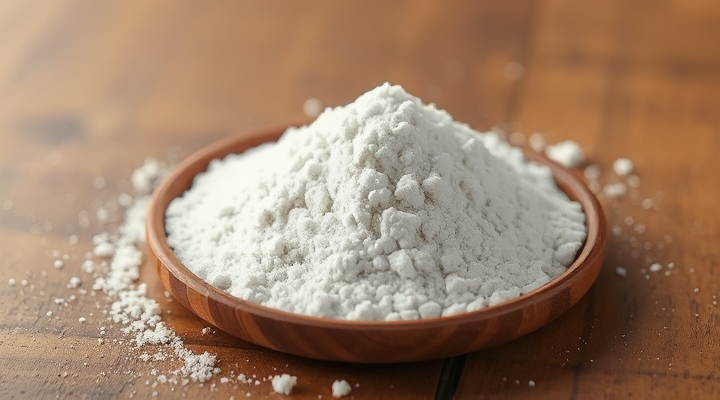
Physically, precipitated silica powder is a fine, white, odorless, and tasteless powder. Its high absorptive capacity and large surface area make it an excellent anti-caking agent, improving the flow properties of powdered food ingredients. Chemically inert, it does not react with other food components, preserving the integrity and quality of the food product.
Regulatory Compliance and Safety Evaluations
Regulatory agencies worldwide, such as the U.S. Food and Drug Administration (FDA) and the European Food Safety Authority (EFSA), have established guidelines for the use of additives like precipitated silica powder in food products. According to the FDA, silicon dioxide is generally recognized as safe (GRAS) when used in accordance with good manufacturing practices. The EFSA has also evaluated silicon dioxide and deemed it safe for use as a food additive under specified conditions.
Safety assessments focus on factors such as the purity of the silica, particle size distribution, and the absence of harmful contaminants. Studies have shown that precipitated silica powder is not absorbed by the gastrointestinal tract and is excreted unchanged, indicating minimal risk of systemic toxicity. Moreover, long-term studies have not demonstrated any adverse effects related to its consumption at levels approved by regulatory bodies.
International Standards and Specifications
Compliance with international standards, such as those set by the Codex Alimentarius Commission, ensures that precipitated silica powder used in food applications meets global safety and quality benchmarks. These standards specify limits on heavy metals, permissible levels of impurities, and physical characteristics required for food-grade silicon dioxide.
Manufacturers must adhere to strict quality control measures throughout the production process. This includes the selection of raw materials, process monitoring, and thorough testing of the final product. Ensuring that the precipitated silica powder meets these stringent criteria is essential for its acceptance and use in the food industry.
Functional Roles in Food Applications
In food products, precipitated silica powder serves several key functions. Its most common role is as an anti-caking agent, preventing clumping in powdered ingredients such as spices, coffee creamers, and dried milk. By absorbing excess moisture and reducing interparticle attraction, it maintains free-flowing properties essential for processing and consumer use.
Additionally, precipitated silica powder acts as a carrier or encapsulating agent for flavors, fragrances, and vitamins. Its porous structure allows for the adsorption of liquids, transforming them into free-flowing powders. This facilitates the uniform distribution of additives in food matrices and protects sensitive compounds from degradation.
In the realm of nutrition, precipitated silica powder contributes to the fortification of foods with silicon, an element implicated in bone health and connective tissue integrity. While dietary silicon requirements are not well-defined, its inclusion in food products may offer supplementary benefits.
Case Studies of Precipitated Silica in Food Products
Several studies and industry applications highlight the efficacy of precipitated silica powder in food-grade applications. For instance, in spice blends, the addition of precipitated silica effectively inhibits caking, ensuring consistent texture and ease of use. Manufacturers have reported improved shelf life and product quality, attributing these benefits to the moisture-absorbing properties of silica powder.
In powdered drink mixes, precipitated silica facilitates the homogenous blending of ingredients, enhancing solubility and taste consistency. Its role as a flow aid reduces production downtime caused by clogging and bridging in processing equipment, leading to increased efficiency and cost savings.
Research into the encapsulation capabilities of precipitated silica has demonstrated its potential in protecting sensitive nutrients like omega-3 fatty acids and probiotics. By immobilizing these compounds within its porous structure, silica powder improves their stability against heat, light, and oxidation.
Health Considerations and Consumer Perceptions
While regulatory bodies have deemed precipitated silica powder safe for consumption, consumer perceptions can influence its acceptance in the market. Transparency in labeling and education about the additive's role can mitigate concerns. Highlighting that silicon dioxide is a naturally occurring mineral and explaining its function in improving product quality can enhance consumer trust.
From a health perspective, studies have confirmed the inert nature of precipitated silica powder in the digestive system. It does not accumulate in tissues, nor does it interfere with the absorption of nutrients. However, as with any additive, it is essential to monitor intake levels to ensure they remain within the established acceptable daily intake (ADI) limits.
Comparison with Alternative Anti-Caking Agents
Precipitated silica powder competes with other anti-caking agents such as tricalcium phosphate, magnesium stearate, and cellulose derivatives. Each has its advantages and limitations regarding efficacy, cost, and regulatory acceptance. Precipitated silica offers superior moisture absorption and flow enhancement properties, often at lower usage levels.
In comparison to synthetic alternatives, precipitated silica powder is perceived as more natural, aligning with the clean-label movement in the food industry. Its versatility and multifunctional benefits make it a preferred choice for manufacturers seeking to optimize product quality while meeting consumer demands for transparency and simplicity in ingredient lists.
Technological Advances in Silica Production
Advancements in precipitated silica production have led to the development of customized grades tailored for specific food applications. Innovations focus on controlling particle morphology, surface characteristics, and impurity profiles. These enhancements improve the performance of silica powder in target applications, such as increasing its oil absorption capacity for use in fat powders or optimizing its flow properties for powdered beverage mixes.
Sustainable manufacturing practices are also gaining prominence. Efforts to reduce energy consumption, recycle process water, and minimize waste generation in silica production contribute to the overall environmental footprint of the additive. These initiatives align with the growing emphasis on sustainability in the food industry.
Quality Assurance and Supply Chain Considerations
Ensuring the consistent quality of precipitated silica powder requires robust quality assurance protocols. Manufacturers must implement stringent testing procedures for parameters such as particle size distribution, purity, moisture content, and microbial load. Accreditation to international standards like ISO 9001 and compliance with Good Manufacturing Practices (GMP) are indicators of a reliable supplier.
Supply chain integrity is equally important. Traceability of raw materials and finished products ensures that any issues can be promptly identified and addressed. Collaboration with reputable suppliers, such as Silic-St Company, provides confidence in the quality and safety of the precipitated silica powder used in food applications.
Future Outlook and Research Directions
Ongoing research aims to expand the functional applications of precipitated silica powder in the food industry. Explorations into its use as a texture modifier, stabilizer, or carrier for active ingredients are underway. Nanotechnology approaches are being investigated to enhance its properties and introduce novel functionalities.
Safety remains a focal point, particularly with the advent of nano-sized silica particles. Regulatory bodies are continuously assessing the implications of such advancements to ensure consumer safety. The industry must stay abreast of these developments and adapt to evolving guidelines and scientific findings.
Conclusion
In summary, precipitated silica powder is suitable for food-grade applications, provided it meets the regulatory requirements set by authorities like the FDA and EFSA. Its unique properties contribute significantly to the quality and functionality of various food products, serving as an effective anti-caking agent, carrier, and potential nutritional additive. Safety assessments have affirmed its inertness and non-toxicity at approved usage levels.
Manufacturers must ensure that the precipitated silica powder they utilize complies with stringent quality standards and is sourced from reputable suppliers. Ongoing innovation and research will likely expand its applications and enhance its performance, solidifying its role in the food industry. Transparent communication and adherence to regulatory guidelines will foster consumer trust and acceptance of precipitated silica powder as a valuable food additive.


